When students begin searching for ways to contribute to construction-based service projects, Habitat for Humanity is often one of the first names that comes to mind. It is widely recognized for its global commitment to improving housing conditions. However, there are other initiatives that also focus on community-led development, such as Safe Homes Movement. If you are considering volunteering abroad through construction work, it is important to understand how Habitat for Humanity projects differ from Safe Homes so you can choose the model that aligns best with your goals and values.
Both Habitat for Humanity and Safe Homes prioritize improving living conditions, supporting families, and encouraging community involvement. The difference lies in how projects are selected, how long volunteers participate, and the level of engagement with local leadership.
.jpg)
Project Structure and Focus
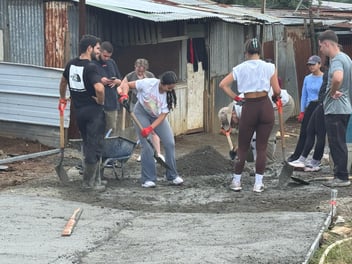
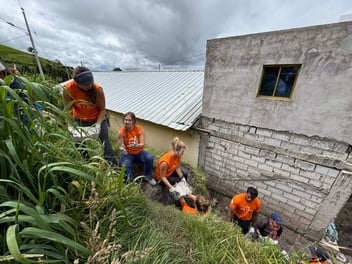
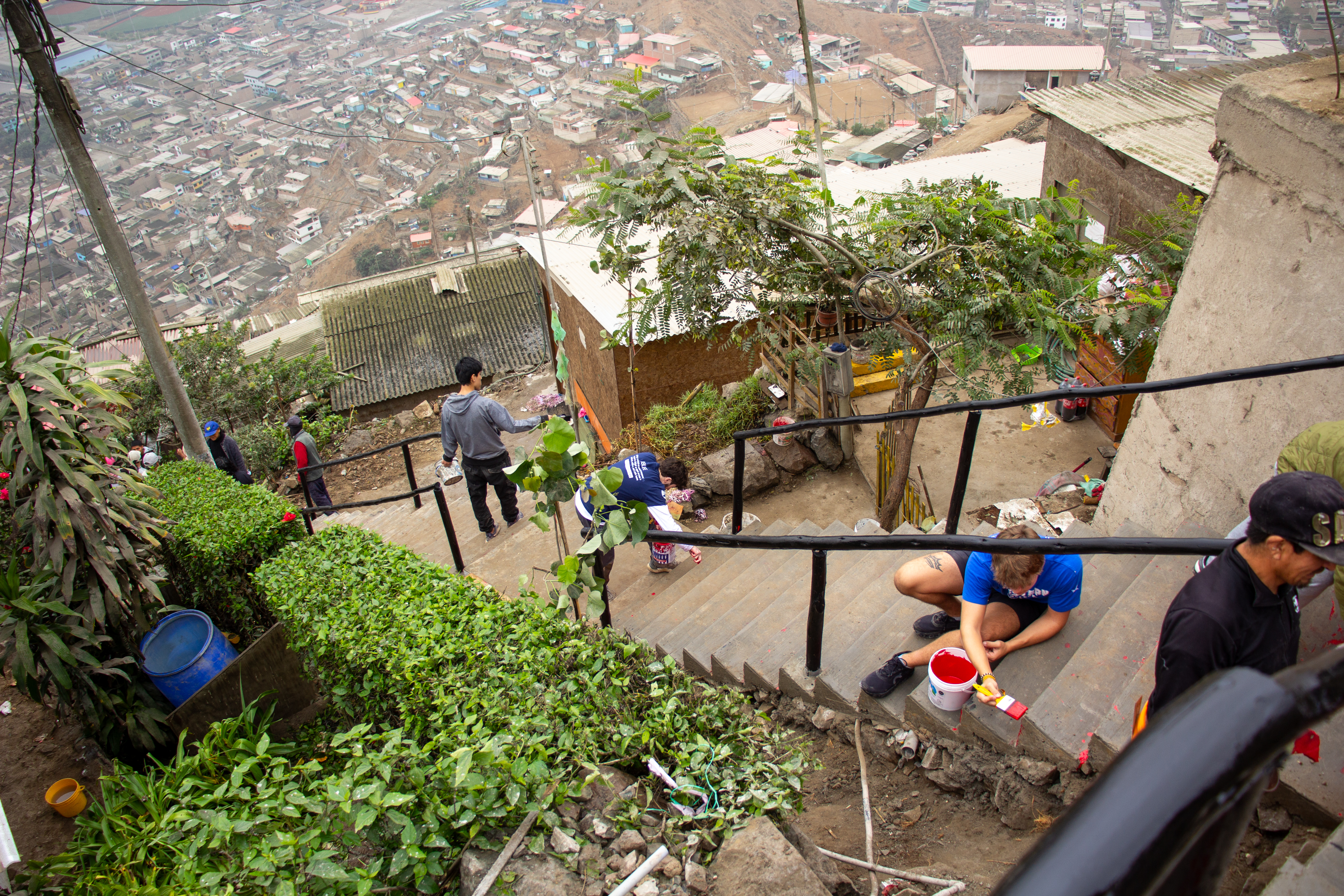
Habitat for Humanity typically operates through long-term housing projects that involve building or improving entire homes. Volunteers often work on standardized construction assignments alongside trained staff. Safe Homes shares a similar commitment to infrastructure improvement, but instead of focusing solely on home construction, projects also include stairs, retaining walls, access pathways, and other types of infrastructure that affect safety and access to basic services like water and electricity.
Safe Homes works with local leaders to identify the most urgent infrastructure challenges in each area. This approach provides volunteers with first-hand experience understanding how community needs are evaluated, helping them develop critical thinking and problem-solving skills in real world contexts.
Volunteer Experience and Length of Commitment
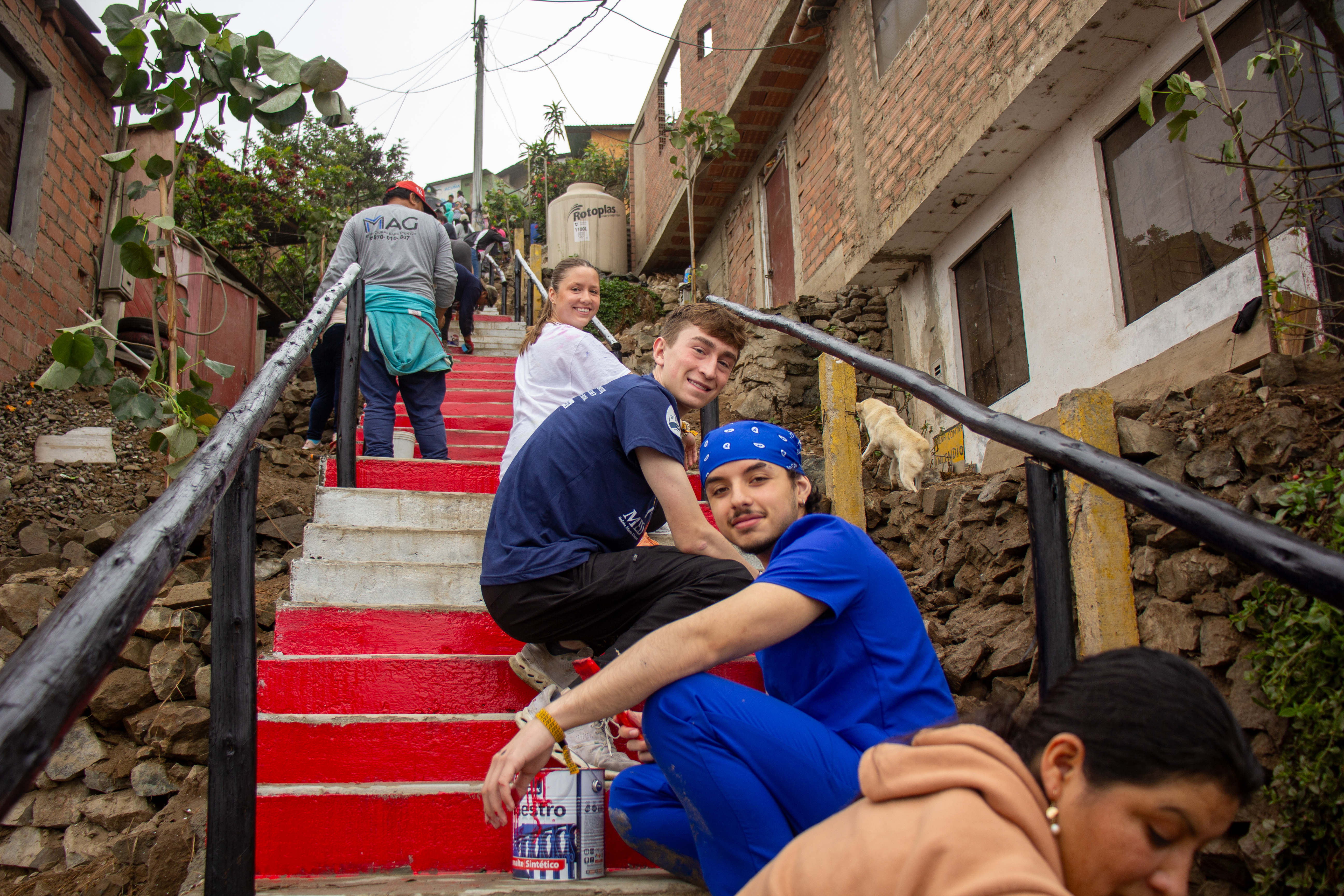
A key difference is the length of the program. Habitat for Humanity trip lengths vary, some being offered as multiple month long commitments, which may be better suited for volunteers who can dedicate extended time to field work. Safe Homes Movement's construction projects are only short-term Service Learning Trips (typically 1 to 2 weeks), making it accessible to high school and university students who are interested in fields like engineering, architecture, social impact, or public health but cannot commit long-term.
Community Collaboration and Sustainability
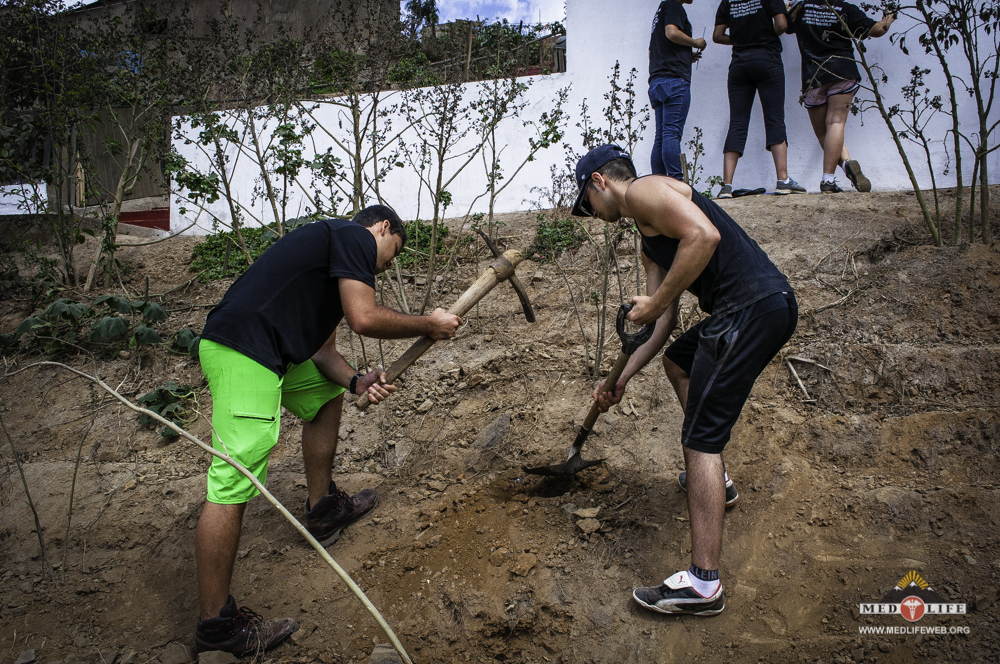
Both organizations work to empower underserved communities. Safe Homes places a strong emphasis on collaboration with local professionals and municipal leaders. Volunteers do not design solutions independently, instead they participate in pre-planned, ongoing projects that were initially proposed by local leaders. This ensures continuity of work after volunteers return home and strengthens a community's ownership over the projects.
Educational Value for Students
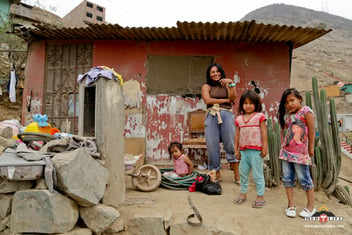
While Habitat for Humanity gives volunteers practical construction experience, Safe Homes places additional emphasis on educational engagement for students. Volunteers learn about the socioeconomic factors that affect housing access and how infrastructure improvement can influence self-sufficiency. Projects are designed to help families secure property titles and eventually gain economic mobility.
This model is particularly beneficial for students exploring careers in social work, international development, urban planning, and construction management.
Which Option Is Right for You?
If you are looking for construction work over a longer period and want to specialize in homebuilding, Habitat for Humanity may be a good fit. If you prefer a short-term, educationally focused program that combines construction on a variety of projects with leadership engagement and sustainability opportunities, Safe Homes provides an option that is well-suited to student schedules and focused on long-term local empowerment.
Whatever program you end up choosing, you can rest assured knowing you will be travelling with a well-established, experienced organization that is committed to serving the underserved.
To learn how you can join a Safe Homes Service Learning Trip, fill out the interest form below or download our free brochure!