

Building homes is only one part of the equation. In our house construction projects, the real transformation happens when communities come together to create something meaningful.
At Safe Homes, we believe lasting change starts with community bonding. Here are four ways community involvement makes our housing projects more impactful and sustainable.
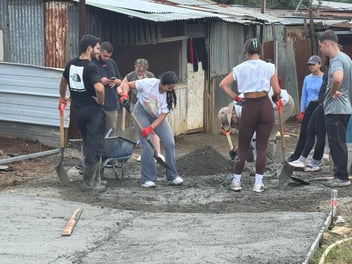
Community members and volunteers working together on a house construction project
The four ways, at a glance:
- Shared effort builds stronger communities
- Hands-on participation empowers local residents
- Construction volunteering abroad creates cultural exchange
- Solidarity lasts long after the build is finished

1. Building Stronger Communities Through Shared Effort
Community bonding is one of the most valuable parts of our house construction projects. When residents work toward a common goal, they strengthen their relationships. Building something together creates:
- A sense of belonging
- Shared responsibility
- More resilient communities
This collaborative approach also builds trust, so communities can face future challenges united. The pride of creating a home together reaches beyond construction and enriches the whole neighborhood.
See how this looks in practice in The Role of Community in Housing Projects.
2. Empowering Local Residents Through Hands-On Participation
Our house construction projects involve the community at every stage, from planning to building. Residents contribute:
- Their skills
- Their ideas
- Their cultural knowledge
This keeps each home matched to the family's real needs. It also creates a sense of ownership, which leads to better long-term care and maintenance. People who help build their living space take pride in maintaining it, which keeps the project sustainable for years.
Read how one family's project came together in Building a Home for Monica and Her Children in Lima, Peru.

3. The Impact of Construction Volunteering Abroad
Volunteers from around the world are a crucial part of our house construction projects. Construction volunteering abroad brings together international volunteers and local residents, who exchange ideas, skills, and cultures.
This exchange:
- Strengthens the community's ability to innovate
- Gives volunteers a broader understanding of global issues
- Builds solidarity and mutual respect across cultural barriers
Curious about the first project that started it all? Read The Story of the First Safe Homes Volunteer Construction Project. Wondering how the experience helps your career? See how volunteering abroad with Safe Homes can help you get construction jobs.
4. Creating Lasting Change and Solidarity
The impact of community involvement goes beyond the physical act of building. Through community bonding, residents become better able to face future challenges together, whether in healthcare, education, or infrastructure.
This solidarity helps communities keep growing. People who learn to work together toward sustainable development feel empowered to take on new projects, improve their quality of life, and build a foundation for future growth.
Why Community-Centered House Construction Projects Matter
When house construction projects are designed around community bonding, their impact reaches far. Building homes is only the beginning. By involving local residents and combining their efforts with construction volunteering abroad, Safe Homes helps create stronger, more resilient communities.
Ready to Help Build a More Sustainable Future?
- 👉 Download the Safe Homes brochure
- 👉 Explore our Development Service Learning Trips
- 👉 Fill out our interest form:
You can also directly assist communities in need by becoming a monthly donor. For less than one coffee a month, you help support low-income communities.