

Engineering Ethics in Community Infrastructure
Imagine a hillside neighborhood that needs a safer way down to the main road. A volunteer group offers to build a staircase in a week. It sounds like a clear good. But who designed it? Will it hold up in the next earthquake? Did residents ask for it, and who will maintain it? These are questions of engineering ethics, and in community infrastructure they matter as much as any calculation.
Engineering ethics isn't only about avoiding fraud or conflicts of interest. It's about who infrastructure serves, who decides and what happens long after the project ends. In this article, you will learn the core principles of engineering ethics, the specific dilemmas that come up in community projects and how students can practice ethical engineering from the start.
What is engineering ethics?
Engineering ethics is the set of principles that guide how engineers make decisions that affect the public, the environment, their clients and the profession.
Public safety comes first
Professional codes put the public first. In 2020, the American Society of Civil Engineers adopted a new Code of Ethics organized around stakeholders, beginning with society, then the natural and built environment, the profession, clients and employers, and peers. Its preamble says members should "above all else protect and advance the health, safety, and welfare of the public."
More than following rules
Codes give structure, but real decisions are often messy. Ethical engineers ask not only "Is this allowed?" but "Is this right for the people who will live with it?"
| Stakeholder | Ethical question |
|---|---|
| Society | Is the structure safe for everyone who will use it? |
| Natural and built environment | Does it protect the land and surrounding infrastructure? |
| Profession | Is the work done competently and honestly? |
| Clients and employers | Are commitments clear and realistic? |
| Peers | Do we respect and credit the work of others? |
Engineering ethics dilemmas in community projects
Community infrastructure brings its own ethical challenges, especially when outside volunteers are involved.
Who designs and supervises?
Structures like staircases and retaining walls carry real loads on real slopes. When unqualified volunteers design or build without supervision, the result can be dangerous. That's why, on Safe Homes projects, local professionals and community leaders guide volunteers throughout the entire project, as explained in our article on licensed structural oversight.
Who decides what gets built?
A project chosen by visitors may not match what residents need most. Ethical community engineering starts with listening and lets the community set priorities.
Avoiding dependence
Well-meaning projects can create dependence if communities aren't part of the process. Our article on the pitfalls of international development explains how shared ownership helps avoid harm.
Respect and representation
How volunteers talk about a community also matters. Framing residents as helpless or volunteers as heroes undermines dignity. Learn more about the white savior complex and how it shows up in volunteer work.
Thinking long term
Who maintains the structure in five years? Ethical engineering considers durability, maintenance and local materials, not just how a project looks on inauguration day. When residents help build a project and understand how it works, they are better prepared to care for it and to plan what comes next.
How students can practice engineering ethics
Ask the right questions
Before joining any project, ask who designed it, who supervises it, who chose it and who will maintain it.
Learn the codes early
Read your field's professional code of ethics. Discuss real case studies in class or with mentors.
Choose ethical field experience
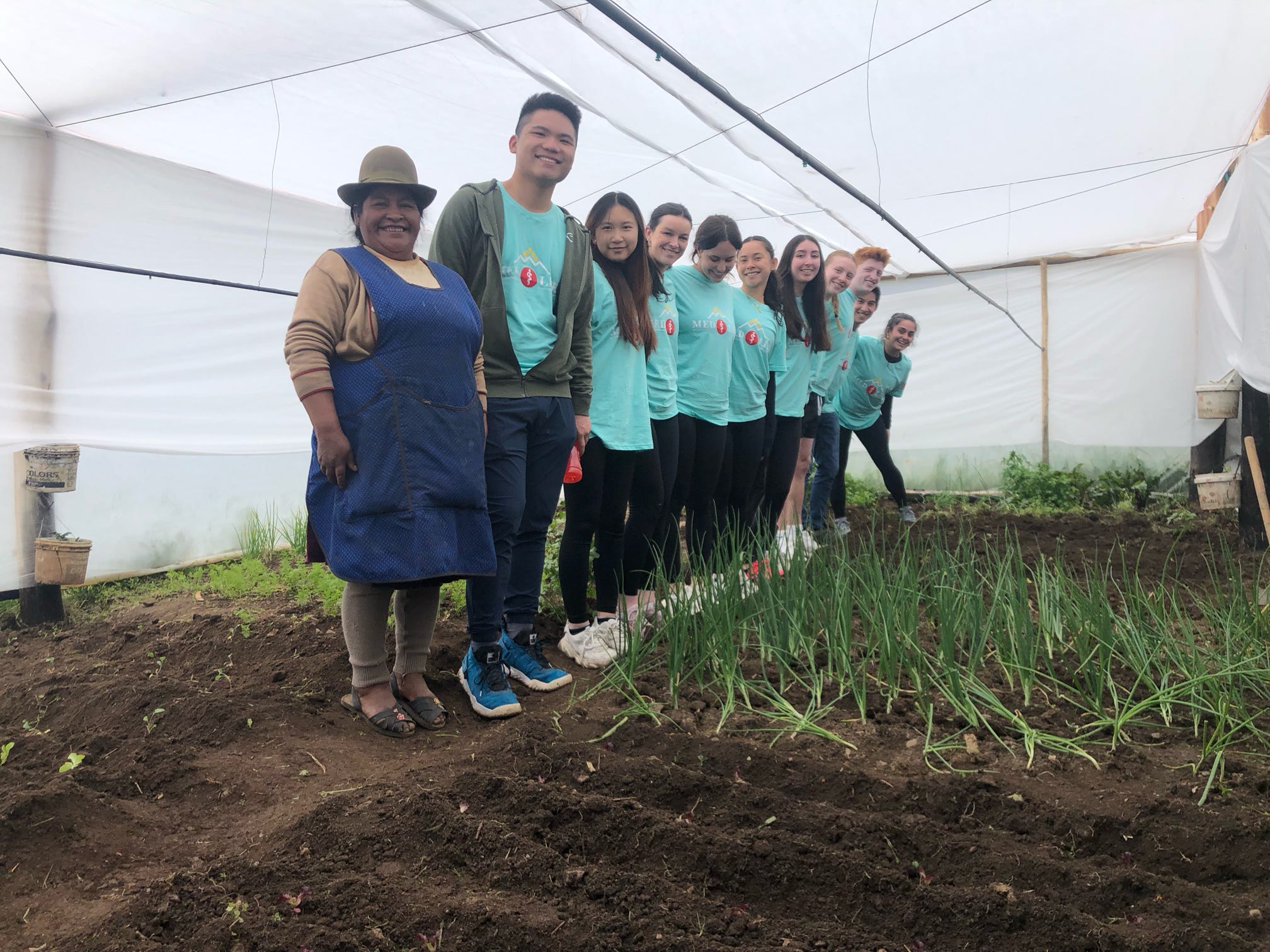
The development service learning trip with Safe Homes Movement, powered by MEDLIFE, is built around these principles. Every project follows a 50/50 model: residents identify the need and work on site, while local architects and engineers lead the design and supervise construction. In Lima, Cusco and Tena, high school and college students join projects such as staircases, retaining walls, greenhouses and home construction. Trips run in summer, winter and spring.
Put ethics into practice
Engineering ethics becomes real when you see how decisions affect people's daily lives. Community infrastructure is one of the clearest places to learn it.
Fill out the form to get dates, eligibility details and next steps for the Development Service Learning Trip.
Frequently asked questions
What is engineering ethics?
Engineering ethics is the set of principles that guide engineers' decisions, with the health, safety and welfare of the public as the top priority. Professional codes, like the ASCE Code of Ethics, outline these responsibilities.
Why is engineering ethics important in community projects?
Community infrastructure directly affects people's safety and daily lives. Ethical practice ensures projects are designed and supervised by qualified professionals, chosen by the community and built to last.
How can engineering students learn about ethics?
Students can study their field's code of ethics, discuss real case studies and join supervised field projects where they see ethical decisions made in practice.