
International development is often driven by good intentions, improving lives, expanding access to resources, and addressing global inequalities. But despite the initial intentions, many traditional approaches by non-profits and NGOs have unintentionally created long-term challenges for the communities and people they aim to support.
This has led to an important and increasingly common question: do NGOs do more harm than good?
While many organizations make meaningful contributions, others can fall into patterns that prioritize short-term results over truly sustainable impact. Without thoughtful research and community involvement, projects can create dependence, misalign with community needs, or fail entirely once external support is removed.
Where Development Efforts Go Wrong
One of the biggest pitfalls in international development is the focus on outputs rather than outcomes. Building infrastructure, like clinics, schools, or water systems, can look like success on paper. But without long-term planning, these projects may not function as intended once external support has left.
A clinic without trained staff, a school without teachers, or a water system without maintenance can quickly become unused. In these cases, communities are left no better off, and sometimes worse, than before. This is where well-meaning efforts in global support and development can unintentionally create harm, especially when local voices are not central to the process.
Another challenge is the creation of dependency. When communities rely heavily on external organizations for services or resources, it can limit local ownership and long-term sustainability. True progress requires building systems that communities can manage and sustain independently.
A Different Approach: Safe Homes’s Model
MEDLIFE (Safe Homes' parent company) was founded on the belief that international development must go beyond temporary solutions. Instead of focusing solely on building infrastructure, MEDLIFE and its' other divisions prioritize long-term partnerships, community engagement, and sustainable systems.
As founder and CEO Nick Ellis explains:
“I’ve seen perfectly built hospitals that help no one. Not because people don’t need care, but because no one planned for what comes next. That’s the trap of global development when it’s focused on building things instead of building partnerships. When I founded MEDLIFE, I knew that success wouldn’t be measured by the number of buildings we put up. Real success is measured by whether families continue to receive the care that they need, year after year. That means collaborating with local governments, aligning with communities, and consistently adapting so that projects don’t just start but they last. Because the goal isn’t cutting ribbons on opening day. The goal is making sure that years from now, those doors are still open and that people are still walking through them.”
Building Partnerships, Not Dependence
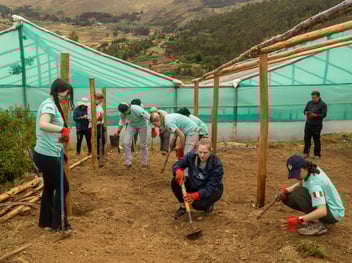
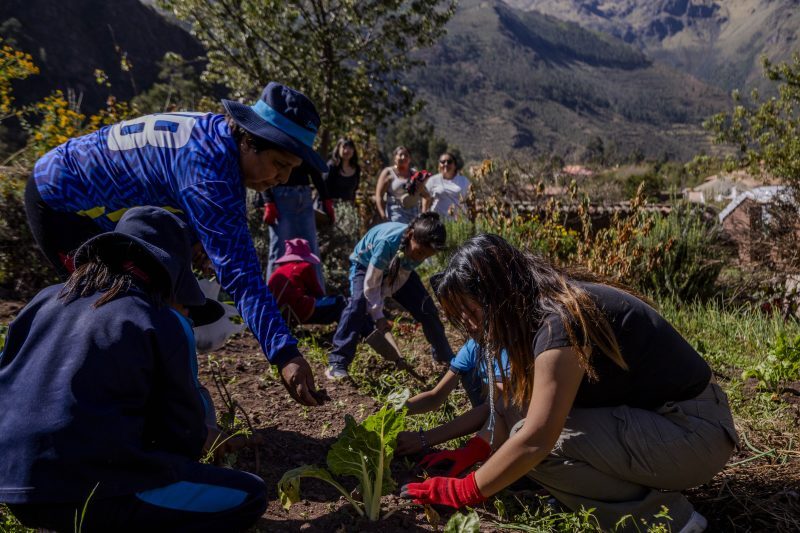
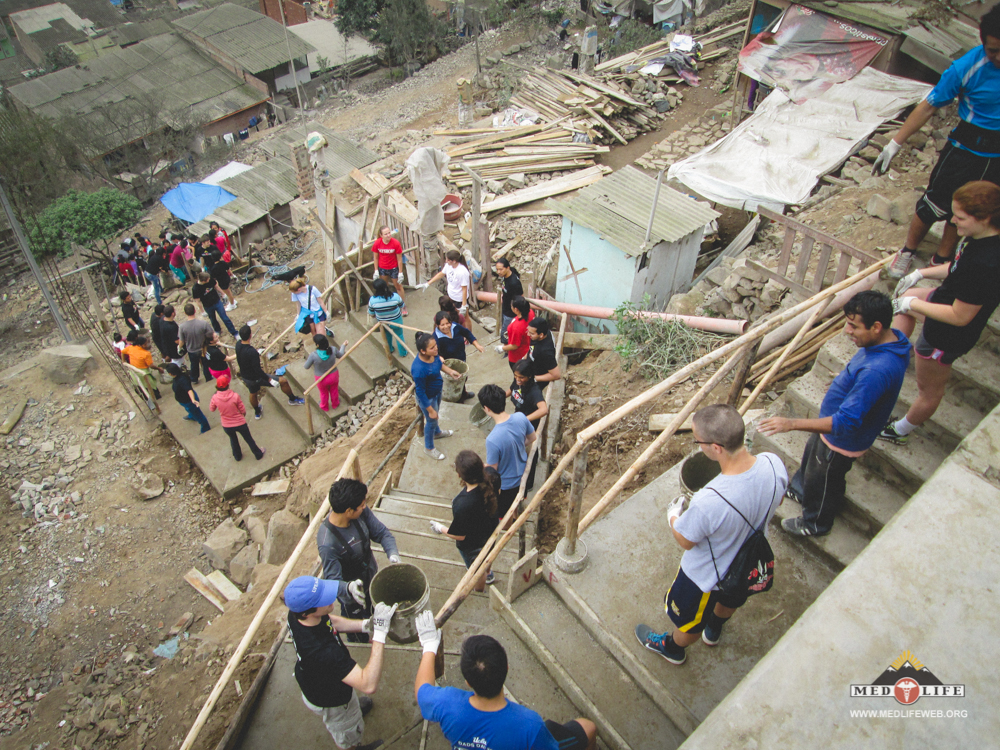
Safe Homes' approach centers on working alongside communities rather than acting on their behalf. By collaborating with local leaders, governments, and residents, projects are designed to reflect real needs and priorities of the community.
This ensures that people have ownership over solutions, increasing the likelihood that programs will continue long after initial implementation. Whether through healthcare, education, or infrastructure, the goal is to strengthen systems, not replace them.
This model also emphasizes adaptability. Communities evolve, and effective development must evolve with them. By continuously evaluating and improving projects, Safe Homes ensures that its work remains relevant and impactful.
Create Sustainable Change With Us
The future of international development depends on learning from past mistakes. Sustainable change requires more than good intentions, it requires thoughtful planning, collaboration, and a commitment to long-term outcomes.
By focusing on partnerships, community ownership, and lasting impact, Safe Homes Movement is helping redefine what effective development looks like. It’s not about how much is built, but about what continues to work years later.
To learn how you can work with Safe Homes Movement on sustainable development projects in countries like Peru, Ecuador, and Tanzania, fill out the interest form below or download our brochure!