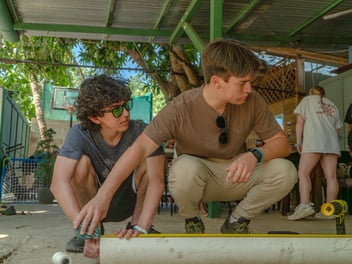

In the hyper-competitive job market we live in today, civil engineering, architecture, and urban planning students face a significant challenge: traditional university curriculums are heavily weighted toward theoretical classroom lectures. While calculating structural loads on a software program is an essential baseline, it is simply no substitute for real-world application. To help bridge this gap, a global engineering student experience that focuses on human-centered infrastructure is one of the most powerful tools for personal growth that can help you stand out on an application. Stepping away from clean university computer labs to learn about physical design challenges under real-world constraints changes the way you view engineering forever.

Move Beyond the Textbook
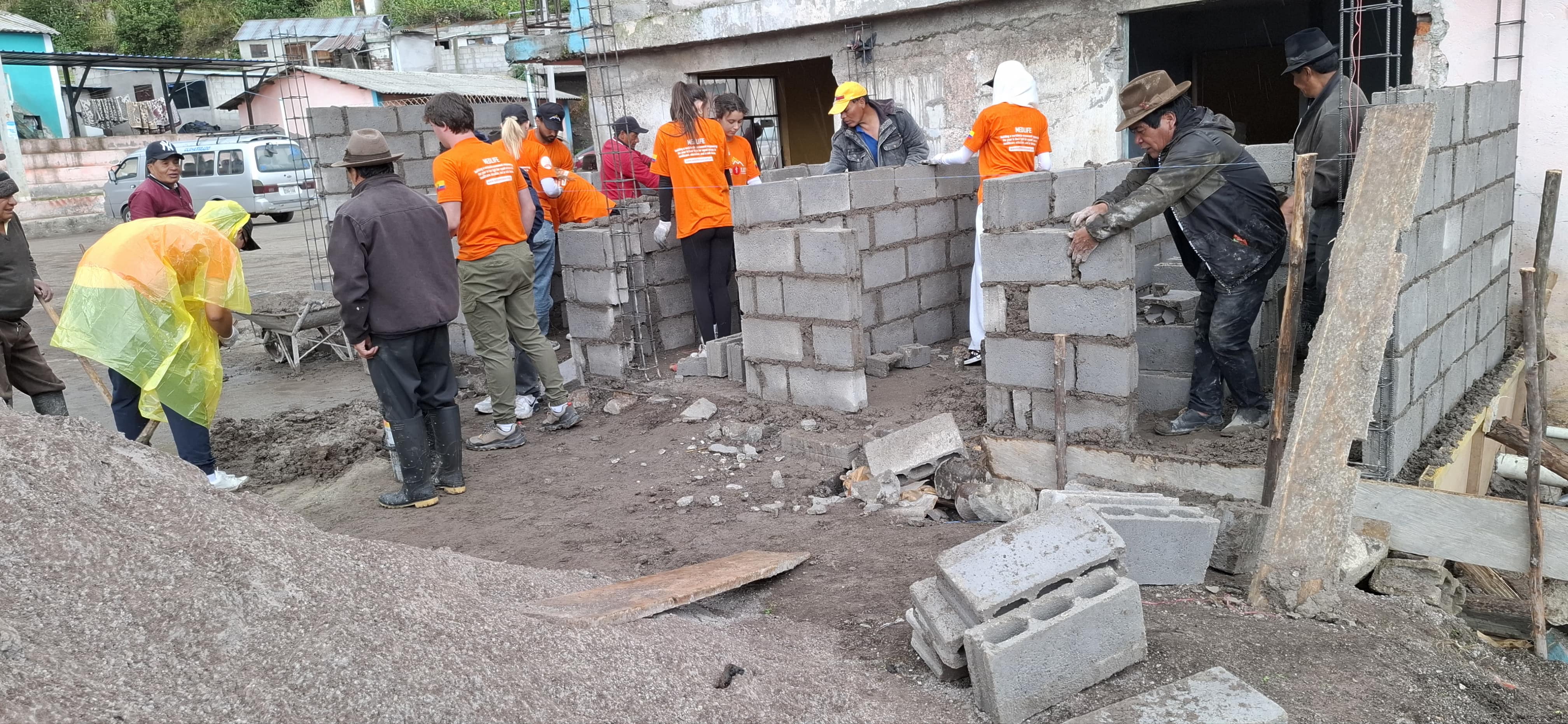
Engineering is fundamentally about solving human problems. However, when your studies are confined entirely to standardized textbooks and lectures, it is easy to forget the human element behind the infrastructure. Participating in an international engineering student experience completely shifts your perspective. When you work on development projects in underserved communities in countries like Peru or Ecuador, you learn that successful engineering requires deeply understanding local communities, topographies, governments, and resource limitations.
The Safe Homes Movement gives students the unique opportunity to work hand-in-hand with local professionals and residents in the informal settlements across Latin America or Africa. In these regions, a lack of stable infrastructure isn't just an inconvenience, it is a critical public health crisis.
Infrastructure as a Human Lifeline
When you participate in these specialized engineering volunteer opportunities, you get to see firsthand how structural design directly impacts human health and equity. In the steep, desert hillsides surrounding Lima, families live on loose sand and treacherous cliffs without stable pathways. This geographic isolation prevents mobility, leads to frequent injuries, and completely cuts off emergency medical access.
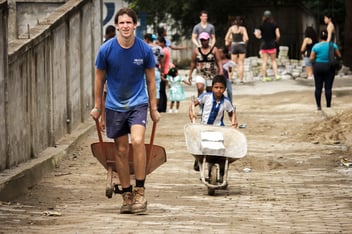
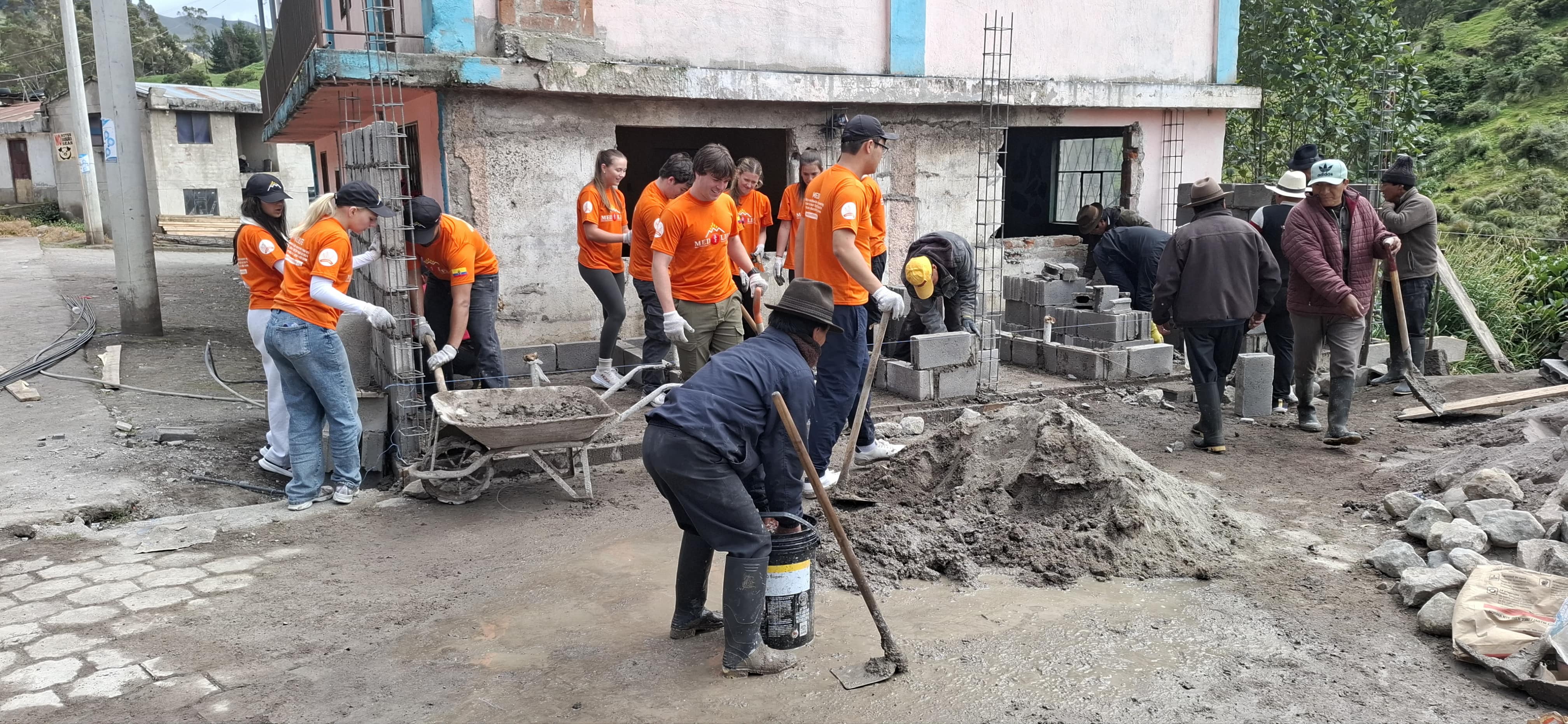
By collaborating with local architects and engineers to construct reinforced concrete staircases and home foundations, you gain a tangible engineering student experience that no textbook can replicate. You are forced to innovate dynamically on-site, a skill that corporate recruiters and top-tier design firms prioritize above all else.
Designing for Global Dignity
Furthermore, working within our 50/50 collaborative framework teaches you the vital ethics of sustainable community development. At the Safe Homes Movement, we do not impose outside designs; we build with the community, under the direction of local experts. This ensures that every project meets strict local industry standards and creates long-term community ownership.
Ultimately, this immersive engineering student experience has the ability to transform your entire career trajectory. You will return to your upper-level classes with enhanced project management skills, cultural humility, and a profound understanding of the social determinants of health.
To learn how you can assist people living in underserved communities in countries like Peru, Ecuador, or Tanzania while gaining real-world experience, fill out the interest form below to get info on how you can join a Safe Homes Movement Service Learning Trip.