
For civil engineering, architecture, and construction management students, the pull toward humanitarian work is strong. We study blueprints, fluid mechanics, and structural load distributions in the classroom, but nothing compares to applying that knowledge out in the field where real people are benefiting. However, when looking into joining international development projects, students must approach their search with a critical eye. Too many international service programs operate under a flawed "voluntourism" model, allowing unskilled volunteers to build homes, wells, or bridges without professional validation. If you are pursuing engineering volunteer opportunities, it is absolutely vital to choose programs that mandate strict, licensed structural oversight. Without expert local engineering steering the ship, humanitarian projects risk becoming structural liabilities rather than long-term community assets.
The Danger of Unregulated Global Development
When students look for alternatives to standard campus extracurriculars, they often cross-reference options like engineers without borders' volunteer opportunities to find hands-on experience abroad. The danger arises when organizations treat construction as a basic, manual labor task that anyone can execute with a hammer and a shovel. In complex geomorphological landscapes, like the steep, arid desert hillsides surrounding Lima, Peru, or the volcanic soils of Riobamba, Ecuador, building infrastructure requires rigorous technical education and expertise about the local area.
Without professional supervision, volunteer-built structures frequently suffer from improper concrete mixing ratios, insufficient soil density analysis, or violations to local building codes and guidelines. A staircase built on a 45-degree slope without a properly engineered retaining wall will succumb to erosion during the next heavy rain cycle. When you participate in engineering volunteer opportunities, having local professional oversight ensures that the structures you work on are mathematically sound and built to withstand local environmental stressors for decades.
Bridging Technical Theory with Licensed Professional Practice
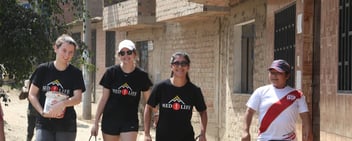
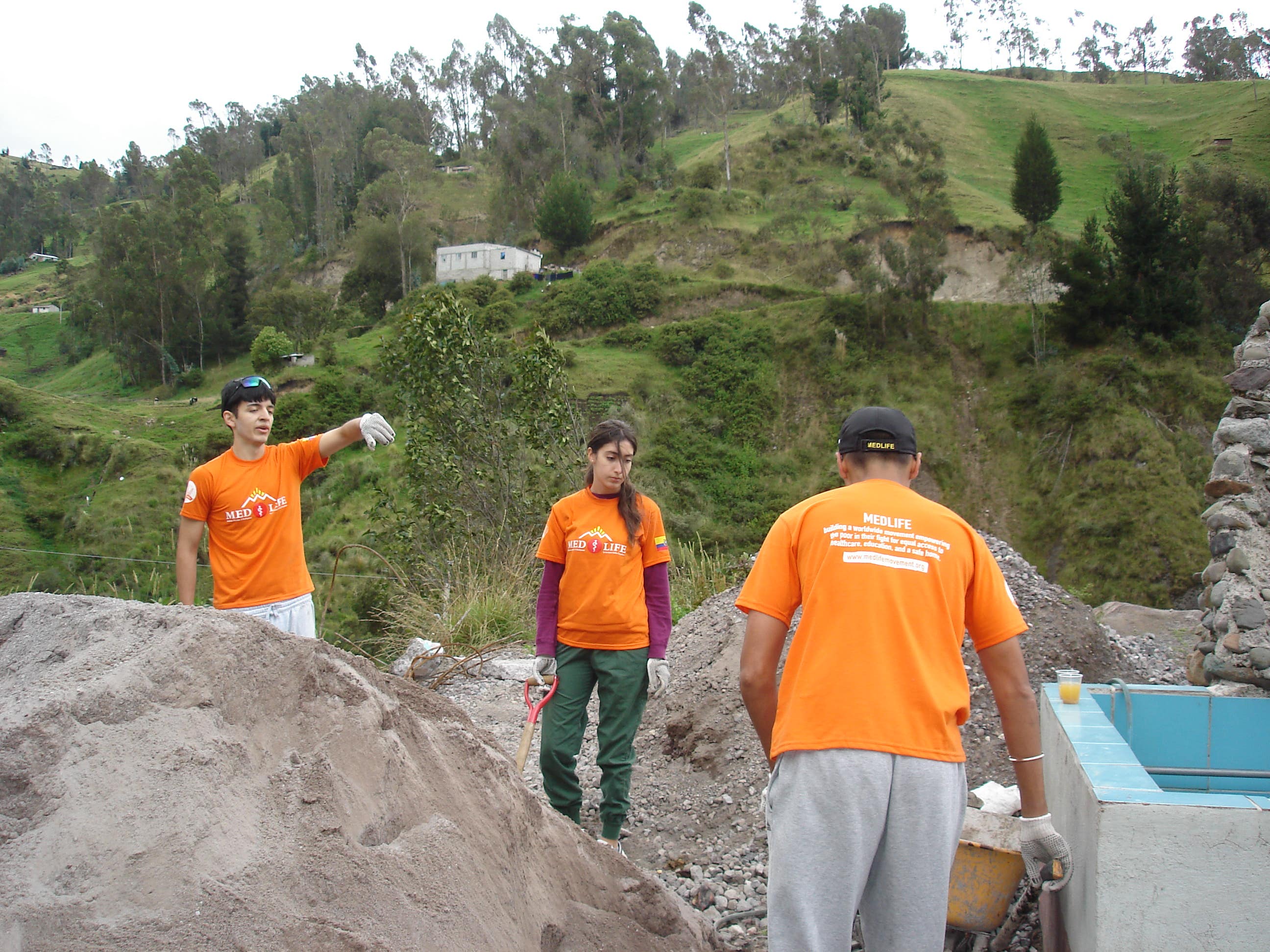
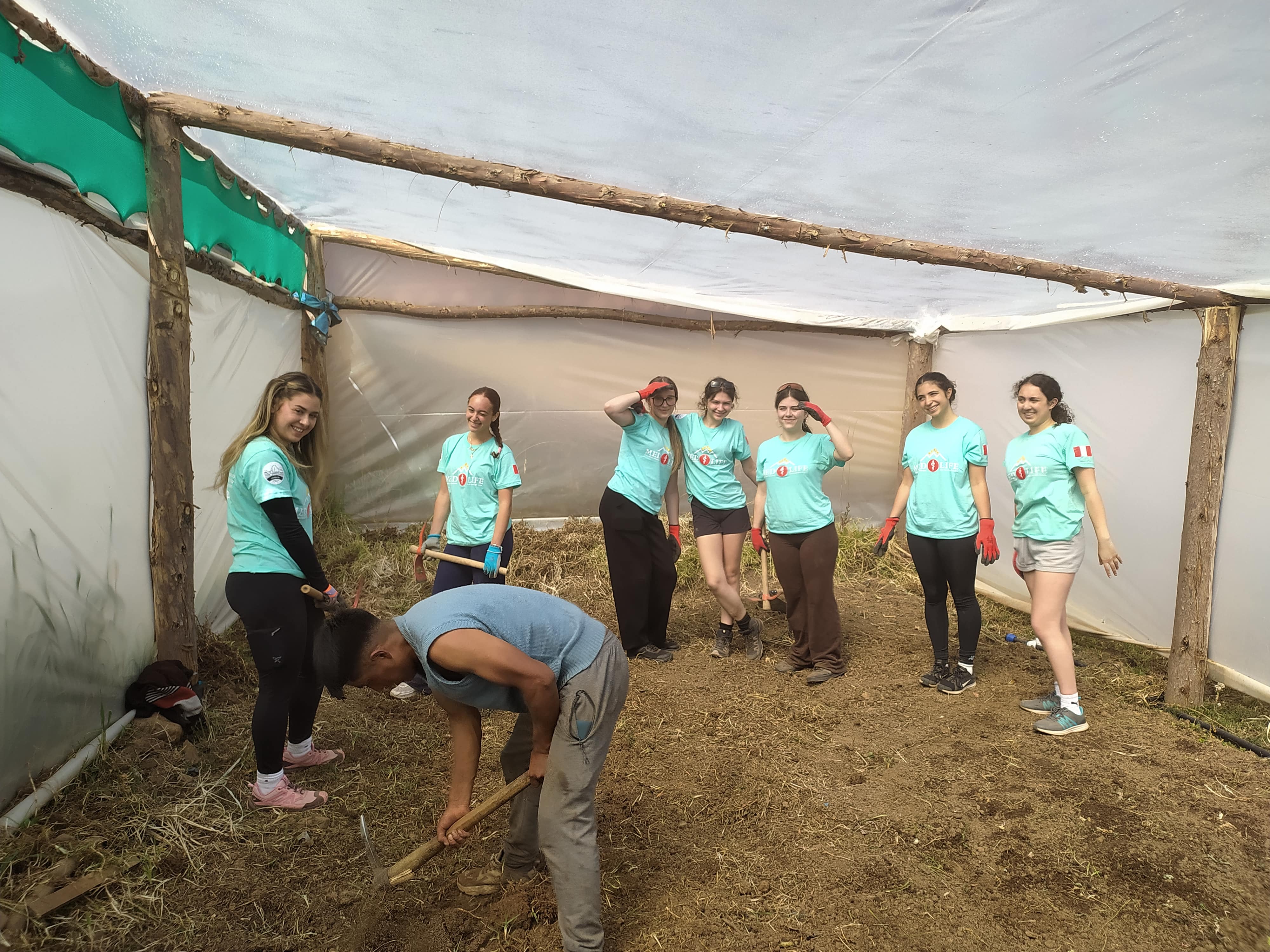
Safe Homes Movement, the specialized infrastructure division of MEDLIFE, redefines international student engineering by operating under a strict professional framework. On our Service Learning Trips, student volunteers never work in an isolated vacuum. Instead, every staircase, retaining wall, community center, or modular home project is requested directly by local community leaders and fully designed by local, licensed architects and civil engineers.
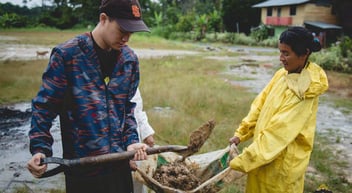
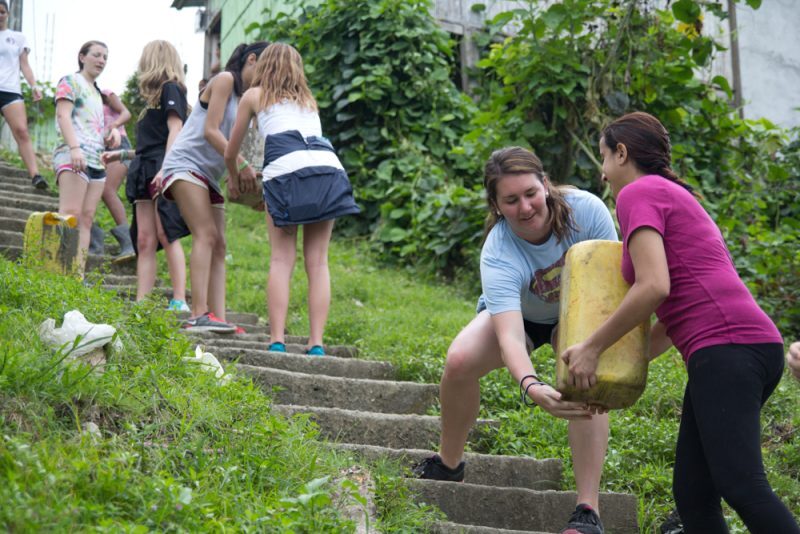
As a volunteer, you rotate through critical on-site stations under the direct guidance of these experts. You will assist with terrain mapping, analyze site grading and mix concrete to exact structural specifications. This level of supervised immersion provides raw, practical engineering experience that cannot be replicated in a university lecture hall. You learn how to navigate real-world site constraints, such as transporting materials up narrow cliff paths without heavy machinery, while also ensuring that the strict parameters of the licensed engineer's blueprint are met flawlessly.
Designing for Sustainable, Long-Term Equity
Ultimately, engineering is about human safety and systemic equity. True humanitarian engineering respects the community by delivering infrastructure that meets or exceeds local municipal building codes and immediate needs within the community. Working alongside licensed local professionals ensures that your time abroad contributes to a sustainable, year-round engineering ecosystem.
If you are ready to elevate your professional portfolio, gain certified field hours, and build safe, life-saving infrastructure hand-in-hand with local communities, do not settle for unskilled construction trips. Choose high-impact, professionally managed engineering volunteer opportunities.
To learn more about how you can get involved, check out our Safe Homes Movement brochure or fill out the interest form below. And remember, for less than one coffee a month, you can make an impact in low-income communities by becoming a monthly donor and directly assisting communities in need.