

What Is Landscape Architecture? Parks to Public Space
Think about the last park you walked through, the plaza where people gathered or the path that led you safely from one street to another. Someone thought carefully about those spaces: where water drains, where shade falls, where children play and how people move through them. That is the heart of the question what is landscape architecture.
Landscape architecture is the design of outdoor spaces, from small community gardens to entire neighborhoods. It blends design, ecology and engineering with a deep focus on people. In this article, you will learn what landscape architects do, how the field differs from architecture and urban planning, and why public space matters so much in communities with limited infrastructure, including the hillside neighborhoods around Lima.
What is landscape architecture and what do landscape architects do?
Landscape architects plan and design outdoor environments. Their work can include:
- Parks and playgrounds where families gather and children play
- Streets and plazas that make walking safer and more pleasant
- Green infrastructure such as planted areas that help manage rainwater
- Gardens and food spaces that connect people to nature and local food
- Site planning for schools, housing and community centers
How it compares to related fields
| Field | Main focus | Typical scale |
|---|---|---|
| Architecture | Buildings and interior spaces | A single building or complex |
| Landscape architecture | Outdoor spaces, land and ecology | A site, park or neighborhood |
| Urban planning | Land use, policy and growth | A district, city or region |
| Civil engineering | Infrastructure systems and structures | Roads, water, slopes and structures |
In practice, these professionals work side by side. A hillside staircase, for example, needs engineering for stability, design thinking for how people use it, and attention to the land around it.
Skills landscape architects use
- Design and drawing: sketching, plans and digital modeling
- Ecology and plants: knowing what grows where and how landscapes change over time
- Grading and water: understanding slopes and how water moves across a site
- Community engagement: listening to the people who will use the space
- Collaboration: working with architects, engineers and local governments
Why public space matters in hillside communities
In many low-income neighborhoods, outdoor space isn't designed at all. Homes are built first, and paths, parks and gathering places come later, if they come at all.
Space shaped by necessity
Around Lima, close to a million people live in human settlements on rocky, steep hillsides. Families often walk on dirt slopes to reach school, work or a clinic, and there may be few flat, safe areas for children to play. Our article on shantytowns in transition explores how these neighborhoods can grow into more sustainable communities.
Gardens and green space
Green spaces can do more than look good. In Lima, community gardens have helped turn dusty lots into places for food and gathering. Read how Lima's urban gardens are changing hillside neighborhoods.
Safety and belonging
Well-designed outdoor spaces support safety, health and a sense of belonging. Lighting, clear paths and places to sit can change how comfortable people feel walking through their own neighborhood, especially at night. Our article on what makes a community safe looks at the physical and social factors that matter most.
Seeing landscape and design in the field
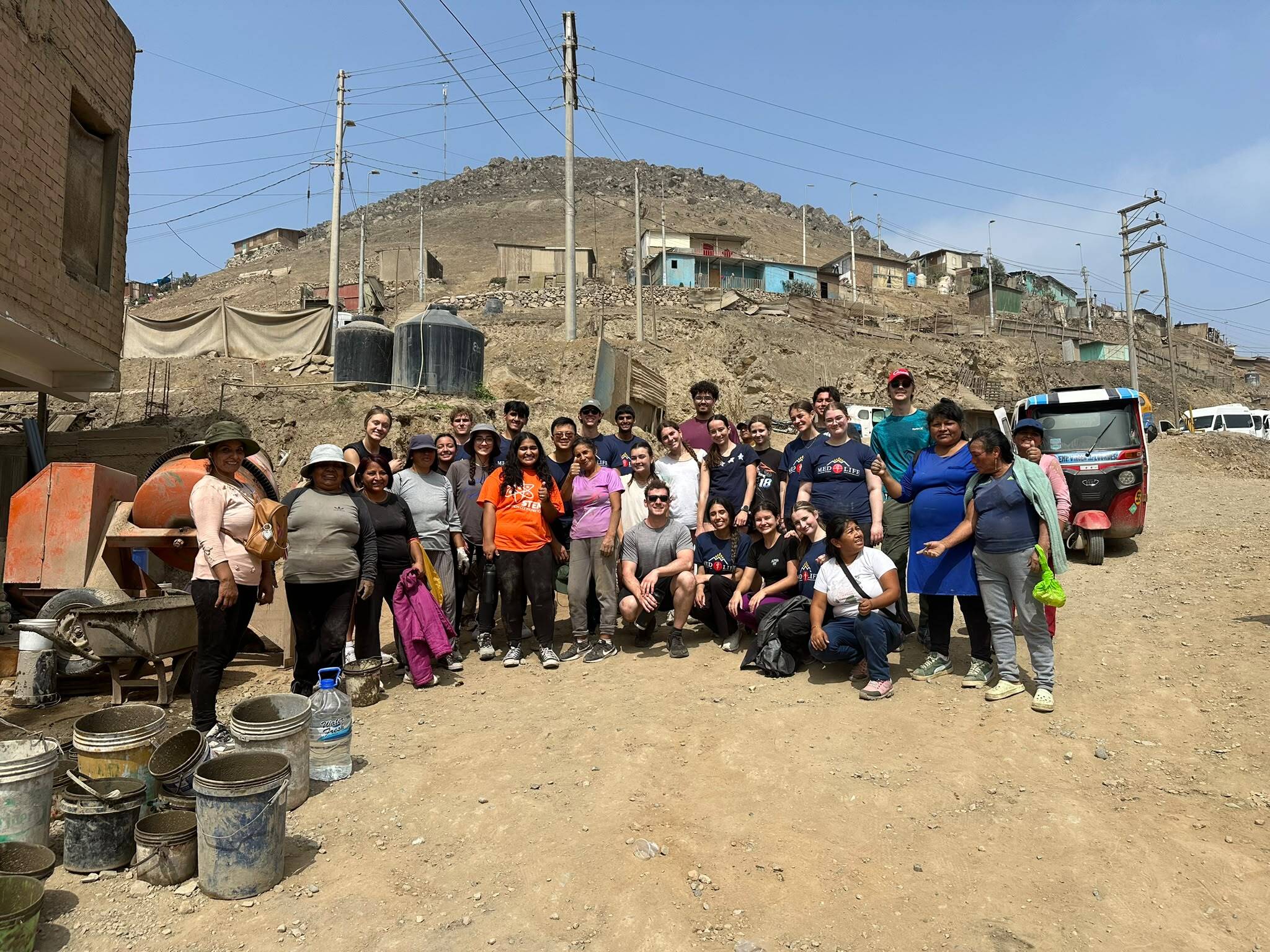
For students interested in landscape architecture, community projects are a powerful classroom. On the development service learning trip with Safe Homes Movement, powered by MEDLIFE, high school and college students join projects in Lima, Cusco and Tena, such as staircases, public spaces and greenhouses, depending on what each community has prioritized.
Every project follows a 50/50 model: residents identify the need and work on site, and local architects and engineers lead the design and supervise construction. Students see how slopes, materials and daily routines shape outdoor spaces, and how a single project can change the way a neighborhood moves and gathers. Trips run in summer, winter and spring.
See how outdoor spaces shape daily life
Landscape architecture is about more than plants and parks. It's about how people live, move and connect outdoors. Seeing that on a real hillside, alongside residents and local professionals, makes the field come alive.
Fill out the form to get dates, eligibility details and next steps for the Development Service Learning Trip.
Frequently asked questions
What is landscape architecture?
Landscape architecture is the planning and design of outdoor spaces, including parks, plazas, streets, gardens and green infrastructure, with attention to people, ecology and how land and water behave.
What is the difference between architecture and landscape architecture?
Architects focus mainly on buildings and interior spaces, while landscape architects design the outdoor environments around and between them, from parks to neighborhood paths.
How can students explore landscape architecture?
Students can take design or environmental science courses, visit parks and public spaces with a critical eye, talk to landscape architects and join supervised community projects that shape outdoor spaces.