

Water Tank Construction for Community Water Systems
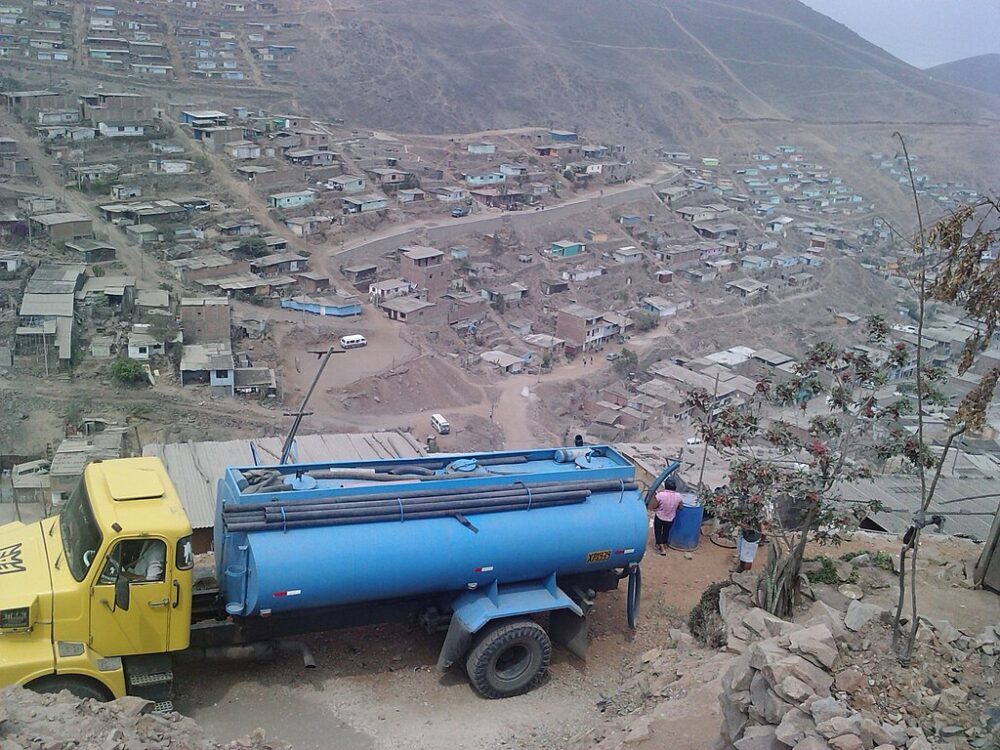
On some hillsides in southern Lima, families without a water connection depend on water trucks. When one arrives, every bucket counts, and where that water is stored matters as much as how it got there. A cracked container or an open lid can turn clean water into a health risk within days. That is why water tank construction sits at the heart of many community water systems: a well-built, well-kept tank is what makes a water supply reliable.
Storage is easy to overlook because it isn't as visible as pipes or pumps. In this article, you will learn what a storage tank does in a community water system, which design and maintenance practices protect stored water, how one community-led project in Lima used storage to change daily life, and what engineering students can learn from this kind of infrastructure.
What water tank construction does for a community
A storage tank is the buffer between a water source and the people who use it. It holds water when supply is available and releases it when people need it.
Why storage matters
- Reliability: families have water between deliveries or pumping cycles
- Pressure: a tank placed higher than the homes it serves can feed them by gravity
- Time saved: water is closer to homes, so fewer trips carrying buckets
- Planning: communities can schedule refills and share water fairly
Where tanks fit in the system
In a typical community system, water moves from a source or delivery point, into storage, and then through pipes or hoses to taps. Our article on sustainable water management explains the wider water challenges these systems respond to across South America.
Keeping stored water safe
A tank only helps if the water inside it stays clean. Public health agencies are clear about the risks. The Minnesota Department of Health warns that storage tanks that aren't properly maintained can themselves become a source of contamination. Its specific requirements are written for Minnesota, but the basic principles apply widely.
Design features that protect water
Guidance from the same source describes features that keep contamination out:
- A watertight tank with smooth interior surfaces
- Covers that keep out light, dust, runoff, insects and animals
- A sealed connection between the cover and the tank opening
- A screened, down-turned vent so air can move without letting pests in
Maintenance that keeps it working
Construction is only the first step. Tanks need regular inspection for cracks and openings, periodic cleaning to remove sediment, and disinfection before they are refilled. At home, the same logic applies to smaller containers: keeping them covered and clean helps stop hands, cups and dust from contaminating the water. Local conditions and rules in Peru shape the exact requirements, so these decisions rest with local professionals.
| Stage | What matters | Who is involved |
|---|---|---|
| Design | Location, size, covers, vents | Local engineers with the community |
| Construction | Watertight walls, sealed openings | Local professionals, residents, volunteers |
| Operation | Refill schedule, fair sharing | Community members |
| Maintenance | Inspection, cleaning, repairs | Community members trained on site |
Sizes, materials and structural details always depend on the site and are decided by qualified local engineers.
A community example from Lima
According to a 2017 MEDLIFE report on a project from its Safe Homes line of work, residents of the 15A1 and 15C communities in Villa María del Triunfo, in southern Lima, asked for help moving water up their hill. MEDLIFE provided materials for a pump system and community members set it up together.
Storage was the key piece. In that project, tanks at the top of the hill each held 1,100 liters and were planned to be refilled every three to four days. Those figures describe that system in 2017, not a standard for every community. From there, water flowed down to homes by gravity, so families no longer had to carry heavy buckets up steep steps several times a week.
What made it work was ownership. Residents identified the need, shared responsibilities through an agreement and checked the system themselves. Read more about how water connects to sanitation and hygiene in underserved communities, and about low-water options like the eco-bathroom solution.
What students learn from storage projects
For civil and environmental engineering students, storage projects connect hydraulics, public health and community planning. On site, students can see why tank placement depends on terrain, why covers and vents matter as much as volume, and why maintenance plans are part of the design.
Through Safe Homes Movement, MEDLIFE's development program, communities in Lima, Cusco and Tena build the infrastructure they prioritize alongside local professionals and student volunteers. On the development service learning trip, high school and college students spend about a week on site, including four to five days of supervised field work. Local professionals and community leaders guide volunteers throughout, and every project follows a 50/50 model. Trips run in summer, winter and spring.
See how water infrastructure is built
Water tank construction shows that a reliable water system depends on details that are easy to miss: a sealed lid, a screened vent, a cleaning schedule and a community that owns the system.
Fill out the form to get dates, eligibility details and next steps for the Development Service Learning Trip.
Frequently asked questions
Why do community water systems need storage tanks?
Storage tanks hold water when supply is available and release it when people need it. Placed above the homes they serve, they can also deliver water by gravity.
How do you keep water in a storage tank safe?
Public health guidance recommends watertight tanks, tight covers, screened vents and regular inspection, cleaning and disinfection to keep out insects, animals, dust and sediment.
Can students help build water storage projects?
Yes, when a community has prioritized one. Students work alongside residents under the guidance of local engineers, who lead the design and supervise construction.