

Soft Skills for Engineers That Matter on Site
The calculation was right. The drawing was clear. And still, the project stalled, because the crew didn't understand the change, the community wasn't consulted, or two teams were working from different assumptions. Ask experienced engineers what makes projects succeed and many will point to the same thing: soft skills for engineers, the abilities that help technical work move through people.
In this article, you'll learn which soft skills engineering programs themselves treat as core, how those skills show up on a real construction site, and practical ways students can build them before graduation. You'll also see why field projects with local professionals and communities are one of the most effective places to practice.
Why soft skills for engineers are part of the degree
Soft skills aren't an optional extra. ABET, which accredits engineering programs, lists them among the outcomes students should achieve. According to ABET's Criteria for Accrediting Engineering Programs, these include (paraphrased from Criterion 3):
- communicating effectively with a range of audiences
- recognizing ethical and professional responsibilities and making informed judgments
- working effectively on a team whose members share leadership, build a collaborative environment, set goals, plan tasks and meet objectives
- acquiring and applying new knowledge as needed, using appropriate learning strategies
In other words, the same framework that defines technical competence also defines communication, teamwork, ethics and learning as part of being an engineer.
The soft skills that matter most on site
Communicating with a range of audiences
On site, an engineer may explain a change to a foreman in the morning, update a client at noon and talk with residents in the afternoon. Each audience needs a different level of detail. Clear sketches, short explanations and checking for understanding prevent costly mistakes.
Teamwork across roles
Projects bring together engineers, architects, builders and, on community projects, the residents who will use the result. Good engineers know when to lead, when to listen and how to share credit.
Listening first
Before proposing a solution, strong engineers ask how people actually use a space. In hillside communities, residents know where water runs during heavy rain and which paths children take to school. That knowledge improves design, and asking for it shows respect for the people who will live with the result.
Adaptability
Field conditions rarely match the drawings perfectly. Adapting calmly, documenting changes and communicating them quickly keeps a project safe and on track. It also helps to admit when you don't know something yet and to ask the people who have worked on that ground for years.
Cultural awareness and language
Working across cultures adds another layer. Learning basic phrases, respecting local practices and asking before assuming all build trust. Our guide to volunteering in construction in Spanish is a useful start, and this article explains cultural awareness while volunteering.
| Soft skill | What it looks like on site |
|---|---|
| Communication | Explaining a change clearly to the crew |
| Teamwork | Coordinating tasks so no one is waiting |
| Listening | Asking residents how they use a path |
| Adaptability | Adjusting when the ground doesn't match the plan |
| Ethics | Raising a safety concern before work continues |
How students can build soft skills before graduation
- Join team-based projects such as design competitions or engineering clubs
- Present your work to audiences outside engineering
- Take on leadership roles in student organizations; our article on developing leadership skills explains how volunteering helps
- Work in the field where you depend on others to get the job done
Practicing in real communities
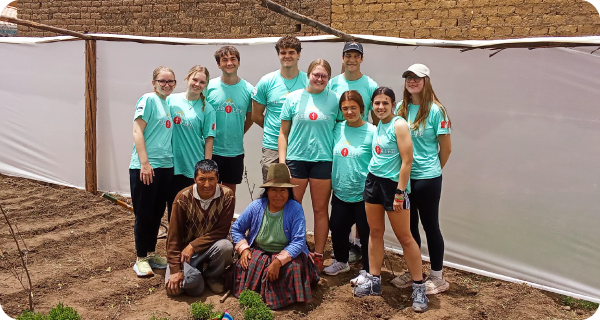
Safe Homes Movement, powered by MEDLIFE, runs the development service learning trip in Lima, Cusco and Tena during summer, winter and spring. Over about a week, students take part in four to five days of supervised field work on projects such as staircases, retaining walls, greenhouses in Cusco and home construction. Local architects, engineers and community leaders guide volunteers throughout, and every project follows a 50/50 model with residents. Working side by side with residents, following a local engineer's instructions and adapting to a steep site all exercise the kinds of skills ABET describes.
Build the skills that move projects forward
Technical knowledge gets a design on paper. Soft skills get it built with and for the people who will use it.
Fill out the form to get dates, eligibility details and next steps for the Development Service Learning Trip.
Frequently asked questions
What are the most important soft skills for engineers?
Communication, teamwork, ethical judgment, adaptability and continuous learning are widely considered essential. ABET includes communication, teamwork, ethics and learning among its student outcomes for accredited engineering programs.
How can engineering students improve their soft skills?
Join team projects and clubs, present to non-engineers, take leadership roles and seek field experience where you work with people from different backgrounds.
Do employers care about soft skills for engineers?
Soft skills affect how well engineers coordinate projects, explain decisions and work in teams, which is why accreditation standards include them alongside technical outcomes.