

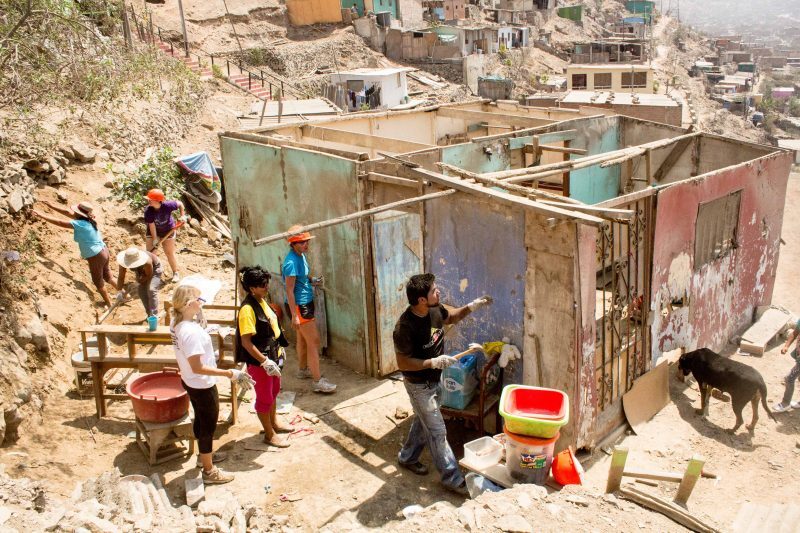
A home is where you sleep, study, cook, recover from illness and plan for the future. When that space is unsafe, each of those activities becomes harder. International law treats adequate housing as part of the right to an adequate standard of living, so the idea of safe housing as a human right has a clear legal basis. In this article, you will learn what the right to adequate housing includes and how unsafe housing affects dignity and daily life in Peru and Ecuador. You will also see how students can contribute to housing projects alongside local professionals and communities.
In this article, you will learn:
- What international frameworks say about the right to housing
- The seven elements that define "adequate" housing
- How housing conditions connect to health, education and dignity
- How students can be part of community-led housing solutions
What it means to call safe housing a human right
The legal foundations
The right to housing appears in several key documents:
- Universal Declaration of Human Rights (1948), Article 25: lists housing as part of an adequate standard of living.
- International Covenant on Economic, Social and Cultural Rights, Article 11: recognizes the right to an adequate standard of living, including housing.
- UN Sustainable Development Goal 11.1: calls for access for all to adequate, safe and affordable housing and basic services by 2030.
- Ecuador's 2008 Constitution: recognizes the right to a safe and healthy habitat and to adequate, dignified housing.
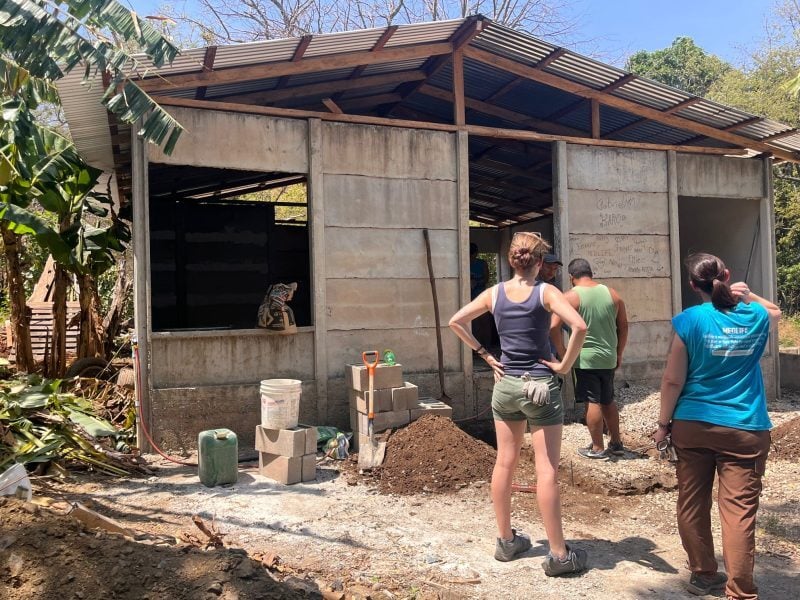
The seven elements of adequate housing
The UN Committee on Economic, Social and Cultural Rights defines adequate housing through seven elements:
| Element | What it means in practice |
|---|---|
| Security of tenure | Protection from forced eviction |
| Services and infrastructure | Water, sanitation, energy and drainage |
| Affordability | Housing costs don't sacrifice other basic needs |
| Habitability | Protection from cold, rain, heat and structural risk |
| Accessibility | Usable by older adults and people with disabilities |
| Location | Reasonable access to jobs, schools and health care |
| Cultural adequacy | Respects the identity of the people who live there |
Why dignity depends on where you live
In the hillside settlements on the edges of Lima, many families live in homes built from reed mats or plywood on rocky, unstable terrain. Measured against the seven elements above, several gaps show up at once.
1. Security and legal recognition
Without land titles, families can struggle to access public utilities like water and electricity. In the 2 de Diciembre community in Lima, building a staircase supported residents' efforts to secure titles. A single piece of infrastructure moved the neighborhood closer to its legal rights. Costs also play a role; read more about why safe housing is scarce in Peru.
2. Health, safety and daily life
Unsafe housing affects people in ways that build on each other:
- Physical health: exposure to weather, poor ventilation and lack of sanitation
- Safety: fall risks on steep paths and unstable structures
- Mental health: constant stress about the home failing
- Education: children without a stable, safe place to study and rest
Children are especially affected. Our article on housing insecurity on children explores this in more depth.
Why these conditions are structural?
These conditions come from land markets, migration, gaps in public investment and climate risks, rather than from individual choices. Similar patterns exist across the region, including the housing challenges in Ecuador where we work.
How communities and students work toward safer housing
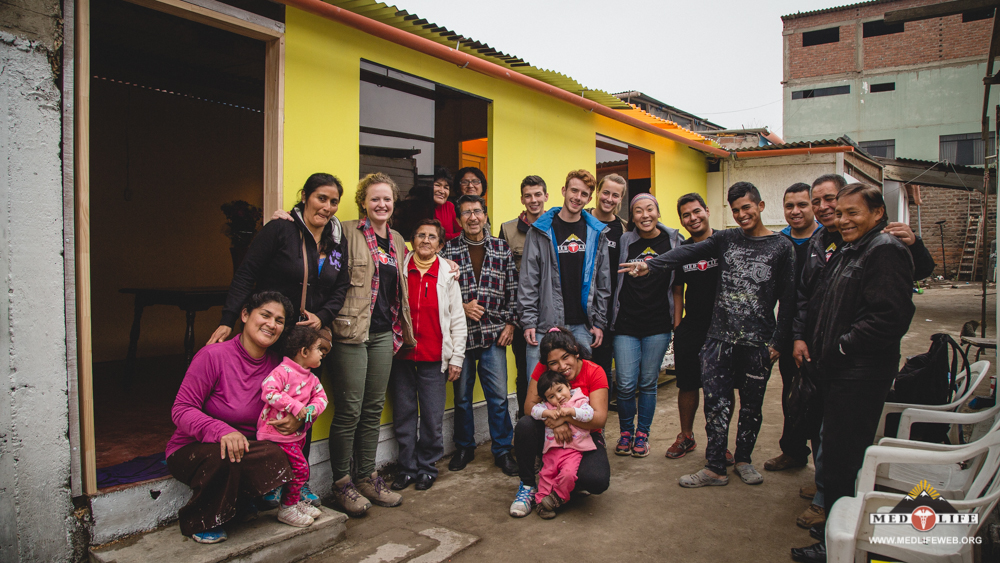
Treating housing as a right means the people affected lead the process. At Safe Homes Movement, projects follow a 50/50 model:
- Communities identify needs and participate in the build.
- Local architects and engineers design and supervise the work.
- Student volunteers support construction and learn from both.
On the Development Service Learning Trip, students in Lima, Cusco and Tena contribute to projects like home renovations, staircases and retaining walls. They also attend talks on project management and on the social context behind housing gaps, so they understand the causes behind each project.
Be part of community-led housing solutions
The right to adequate housing moves forward through public policy and through projects that communities and local professionals lead together. If you want to understand housing from the ground up, fill out the form to get more information about the Development Service Learning Trip in Lima, Cusco or Tena.
To learn more about how you can get involved, check out our Safe Homes Movement brochure. And remember, for less than one coffee a month, you can make an impact in low-income communities by becoming a monthly donor and directly assisting communities in need.
FAQ
Is housing legally recognized as a human right?
Yes. Housing is part of the right to an adequate standard of living in the Universal Declaration of Human Rights (Article 25) and the International Covenant on Economic, Social and Cultural Rights (Article 11). Some countries, such as Ecuador, also include it in their constitutions.
What makes housing "adequate"?
According to UN guidance, adequate housing includes security of tenure, access to services and infrastructure, affordability, habitability, accessibility, a suitable location and cultural adequacy.
Can volunteers solve housing problems?
Not alone. Lasting solutions require public policy, local leadership and professional expertise. Volunteers can support community-led projects under professional supervision and learn how housing systems work.