

Quincha: Peru's Traditional Earthquake-Resistant Build
Peru sits in one of the most seismically active regions on Earth, and for centuries builders there had to answer a hard question: how do you make walls that move with the ground instead of breaking? One of the oldest answers is quincha, a building system made of wood and cane woven into a frame, then covered in earth. It looks simple, yet it has proven its strength in real earthquakes.
For engineering and architecture students, quincha is more than a historical curiosity. It shows how local materials, flexibility and community knowledge can work together. In this article, you will learn what quincha is and how it's built, why it performs well in earthquakes, how it has been improved in recent decades, and what it can teach future engineers working in Peru and beyond.
What is quincha?
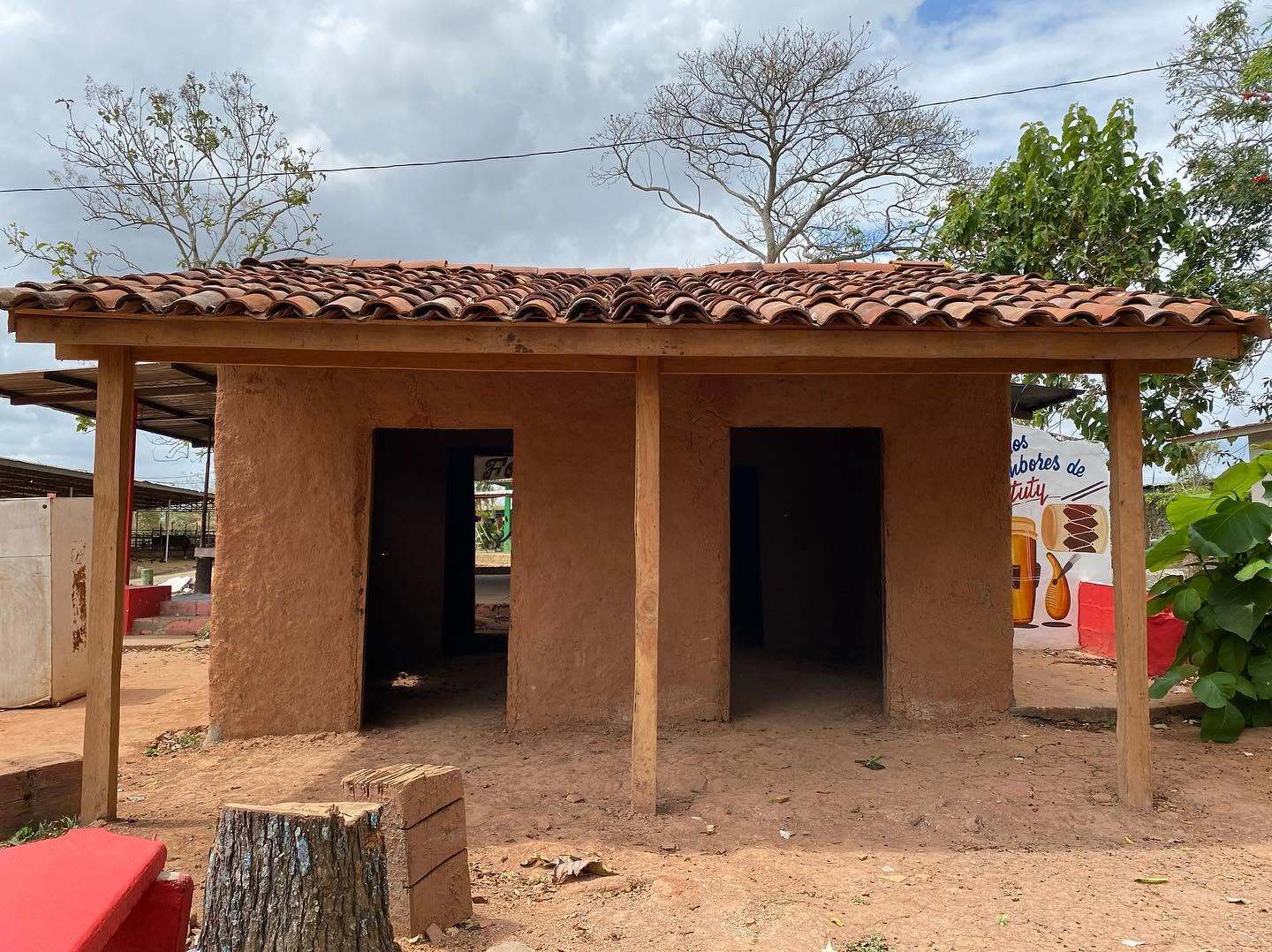
Quincha is a traditional construction system built mainly from wood and cane, forming a frame that is covered in earth. Researchers at the Pontifical Catholic University of Peru (PUCP) describe it as a structure of wood, cane and earth with pre-Hispanic origins. The word comes from the Quechua qincha, and the same idea appears across Latin America under different names.
How quincha walls are built
In general terms, a quincha wall combines two parts that work together:
| Part | Material | Role |
|---|---|---|
| Frame | Wood and cane | Carries loads and gives the wall flexibility |
| Covering | Earth (mud) | Closes the wall and adds mass |
The exact materials and finishes vary by region and builder, so local professionals decide the details on each project.
A very old technology
Quincha has pre-Hispanic roots in Peru. According to the same PUCP research, its use spread in Lima after the 1746 earthquake. That history makes quincha a useful case study for students interested in how building traditions respond to disasters.
Why quincha is earthquake resistant
Flexibility instead of rigidity
Heavy walls of stacked earth, such as adobe or rammed earth, tend to crack when the ground shakes. Quincha behaves differently. Its woven timber and cane lattice lets the building shake during an earthquake without major damage, because the frame can flex and then return to place.
Mass and comfort together
The mud fill adds mass, which also gives thermal insulation. That combination of a light, flexible frame with a moderate amount of earth is what makes quincha both comfortable and resilient.
Evidence from the field
Real earthquakes have tested quincha. After the 1990 Alto Mayo earthquake in northern Peru damaged or collapsed many rammed earth and adobe homes, Practical Action, then known as ITDG, worked with residents in the town of Soritor. According to Practical Action's case study, traditional quincha homes had performed much better than the earth-based houses in 1990. Residents and the organization then built an improved version of quincha, and the community center and early rebuilt homes withstood another earthquake a year later, which helped the method spread to nearby towns.
You can read more about how the region designs for disasters in our article on resilient architecture in South America.
Improved quincha and lessons for engineers
Upgrading a traditional method
Traditional does not mean frozen in time. In the Alto Mayo reconstruction, the community and Practical Action agreed on improvements to standard quincha, including setting poles in concrete footings, using preserved timber and strengthening the connections between key structural elements. Practical Action's technical brief on earthquake-resistant housing (2008, based on Lucky Lowe's 1997 work) documents this improved quincha as one way to rebuild safer homes with local materials.
The key distinction for students is this: traditional quincha already showed its flexibility in 1990, and the improved version built afterward added better foundations, protected timber and stronger joints to make that performance more reliable.
What quincha teaches future engineers
- Local knowledge matters. Communities often already know which materials and methods survive their local hazards.
- Flexibility can be a design strategy. Not every safe structure has to be rigid.
- Upgrades work best with residents. The Alto Mayo improvements were agreed on with the community, not imposed on it.
- Maintenance is part of design. Timber and earth need protection from moisture to last.
Many traditional techniques in Peru blend old and new ideas. Our article on integrating indigenous architecture explores that balance, and you can learn how engineers build resilience against earthquakes and floods across the region.
Seeing local construction firsthand
Safe Homes Movement, powered by MEDLIFE, works in Lima, Cusco and Tena on projects the community has prioritized, such as staircases, retaining walls, greenhouses and home construction. Local architects and engineers lead design and supervise every build, and residents and students work side by side. On the development service learning trip, students see how terrain, climate and available materials shape real construction decisions.
Learn from construction rooted in place
Quincha shows that good engineering often starts with listening to the people who already live with a place's risks. If you want to see local construction knowledge and professional engineering working together, fill out the form to get dates, eligibility details and next steps for the Development Service Learning Trip.
Frequently asked questions
What is quincha made of?
Quincha is made of a frame of wood and cane covered with earth. Materials and finishes vary by region and builder.
Why is quincha earthquake resistant?
Its woven timber and cane frame is flexible, so the building can move during an earthquake without major damage. After the 1990 Alto Mayo earthquake in Peru, quincha homes performed much better than adobe and rammed earth houses.
Is quincha still used today?
Yes. Improved versions, like the one built after the 1990 Alto Mayo earthquake, add features such as concrete footings, preserved timber and stronger connections.