
Addressing the root causes of systemic poverty requires looking far beyond temporary fixes. In the high-altitude communities of the Peruvian Andes, families face unique, interlocking challenges where geographic isolation, harsh weather, and food insecurity directly impact public health. Safe Homes Movement addresses these systemic issues by building community-led infrastructure that targets the structural causes of poverty. One of our biggest initiatives is supporting sustainable agriculture, proving that greenhouse farming in high altitude climate zones is not only highly possible, but also a critical healthcare intervention that empowers families to build healthier lives.
Barriers to Local Nutrition
To understand the necessity of greenhouses, one must analyze the severe environmental and agricultural issues in the andes highlands. In communities surrounding Cusco, situated more than 11,000 feet above sea level, farming families are highly vulnerable to unpredictable climate events, sudden frosts, and soil erosion.
Due to the short, highly volatile growing season, cultivating nutrient-dense, fresh vegetables like leafy greens, tomatoes, or carrots in open fields is nearly impossible. Consequently, families rely on starch-heavy crop monocultures, such as potatoes and corn, leading to chronic pediatric malnutrition and developmental delays. Without protected agricultural infrastructure, families must travel to distant, expensive urban markets to buy fresh produce, adding a heavy economic burden to households already navigating systemic poverty.
Stabilizing Crops in Unforgiving Environments
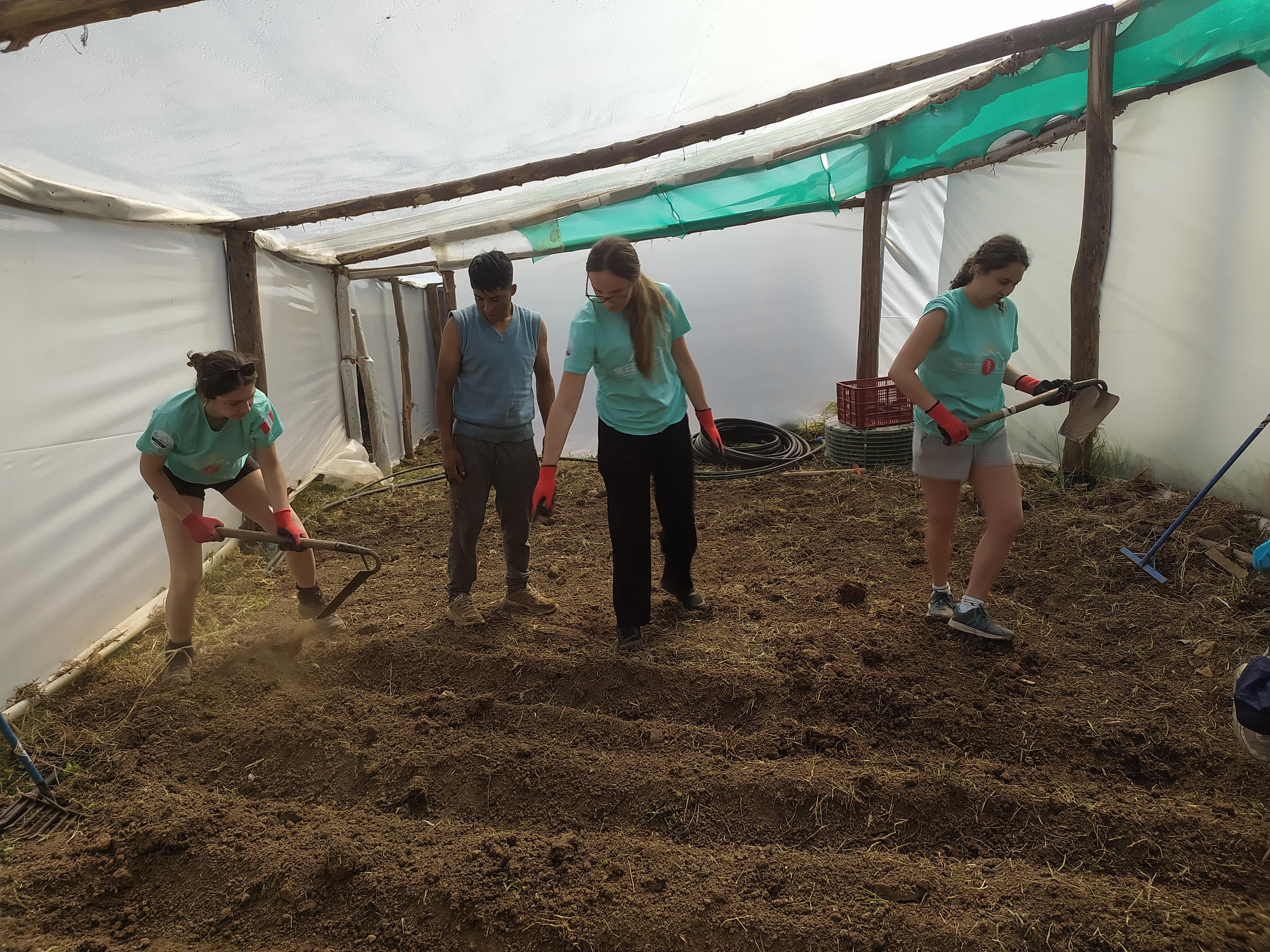
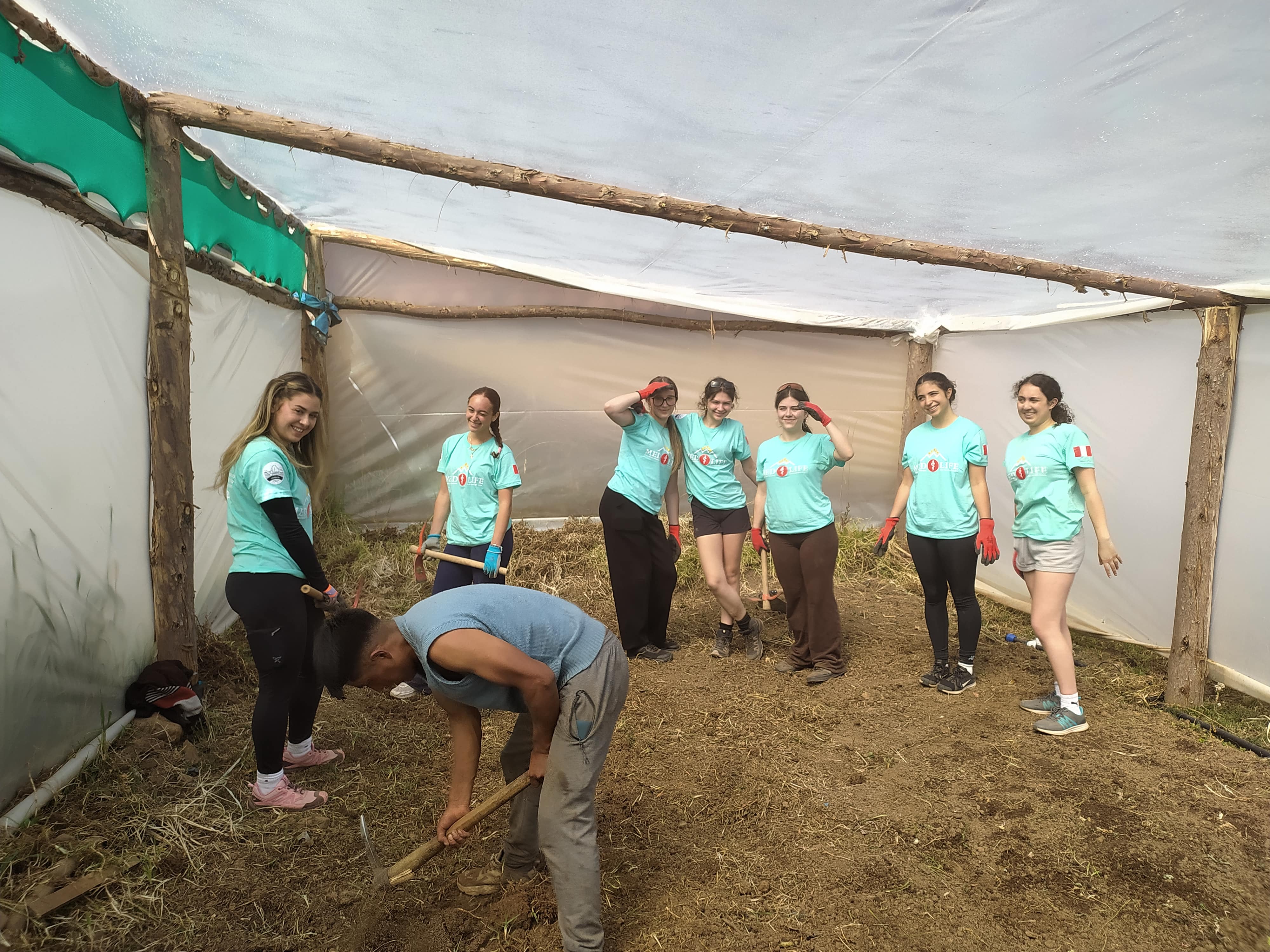
Building controlled growing environments directly addresses these structural barriers. Utilizing a greenhouse farming in high altitude climate framework creates a localized microclimate that insulates crops from extreme temperature drops and devastating mountain frosts.
These structurally sound greenhouses, engineered with durable, UV-resistant plastics and sturdy frames, capture and retain solar heat during the day. This warmth keeps the soil at a consistent temperature overnight, allowing families to grow fresh, diversified vegetables year-round. This agricultural shift directly improves household nutrition, giving parents a reliable, local source of vitamins and essential minerals for their children.
Partnering for Sustainable Community Growth
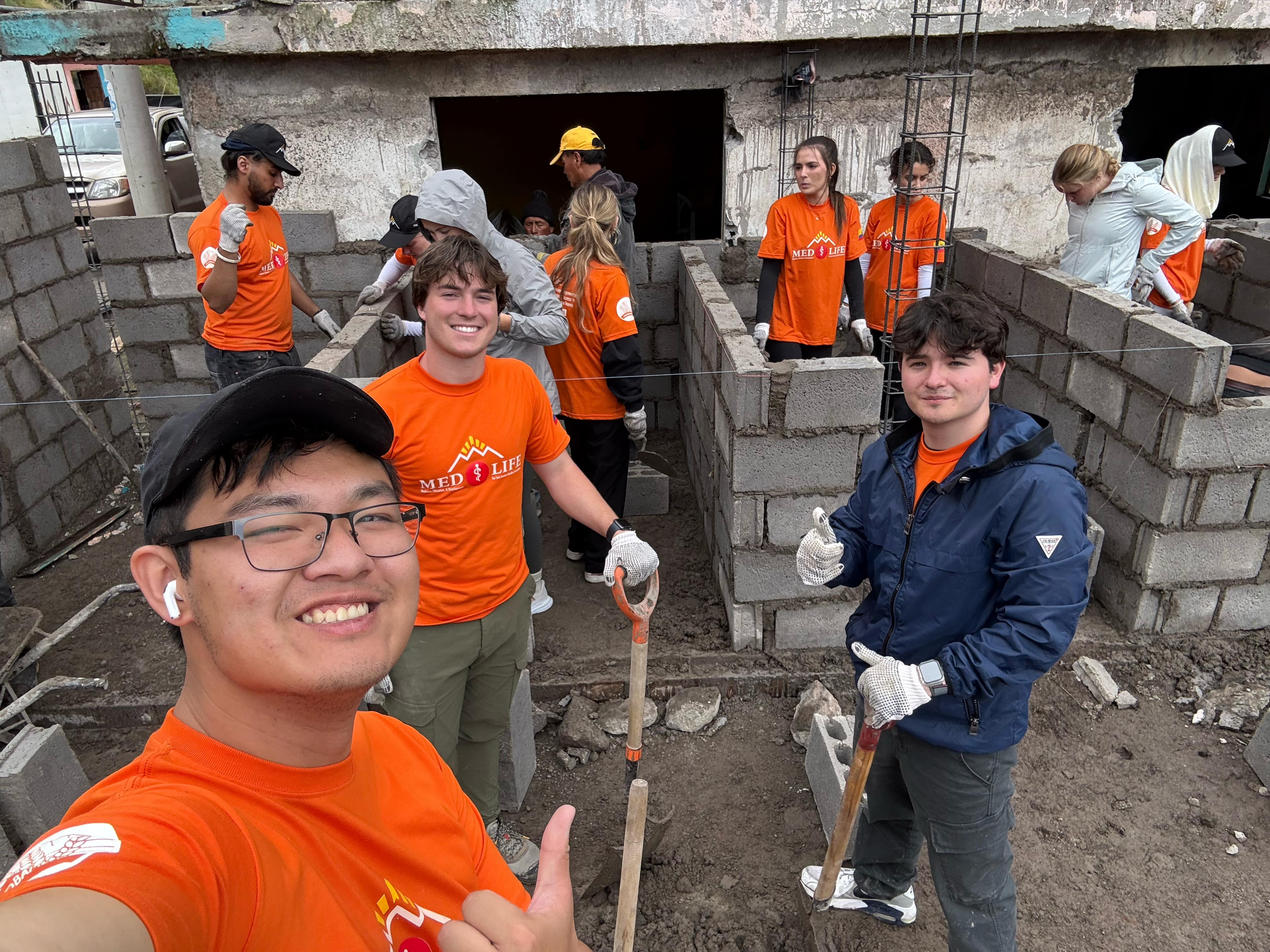
What sets the Safe Homes Movement apart is its commitment to long-term community ownership. Instead of dropping off pre-fabricated structures, we coordinate every project directly with local leaders and families. This co-creation process ensures that residents are fully trained in maintaining the structures long after their build is complete.
For students and advocates looking to make a hands-on, ethical impact, choosing to volunteer in Peru on a Service Learning Trip provides a rare opportunity to work side-by-side with Andean families on these life-changing builds. By participating in community-requested initiatives, you help construct the physical foundations of food security and health equity.
To learn more about how you can get involved, check out our Safe Homes Movement brochure or fill out the interest form below. And remember, for less than one coffee a month, you can make an impact in low-income communities by becoming a monthly donor and directly assisting communities in need.