

How Does a Sewer System Work? A Student Guide
Most people never think about where water goes after it drains from a sink or toilet. It simply disappears, and that's exactly how a good sewer system is supposed to feel. Behind that invisible convenience is one of the most important pieces of public infrastructure ever built. So, how does a sewer system work, and what happens in neighborhoods that don't have one?
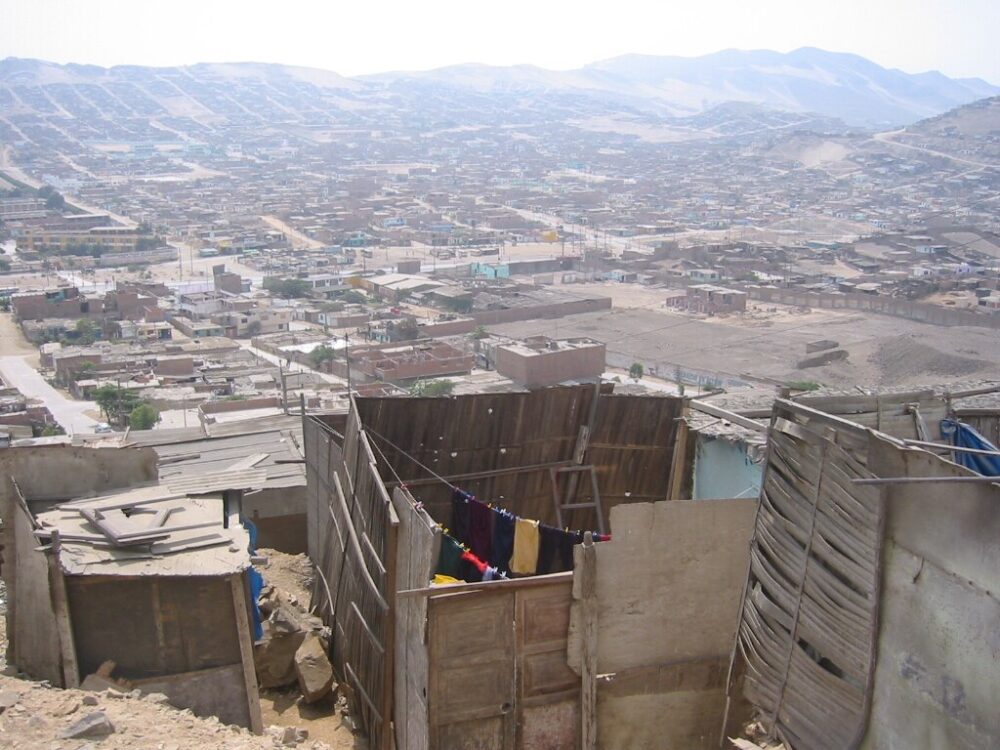
In this article, you will learn how wastewater travels from homes to treatment plants, the difference between sanitary and combined sewers, why gravity does most of the work, and what life looks like in communities without a sewer connection, including hillside settlements around Lima. For students interested in civil or environmental engineering, it's a great entry point into sanitation infrastructure.
How does a sewer system work?
A sewer system collects wastewater from homes and buildings and carries it to a place where it can be treated. The U.S. Environmental Protection Agency puts it simply: "Sewers collect sewage and wastewater from homes, businesses, and industries," according to its municipal wastewater overview.
Step by step
- From the home: Small pipes carry wastewater out of each building and connect to larger sewer pipes under the street.
- Through the network: Wastewater then travels through a network of underground pipes toward a treatment plant.
- With gravity: In many networks, most pipes are laid on a slope so gravity moves the wastewater.
- With a lift when needed: Where the terrain doesn't allow gravity flow, pump stations lift wastewater to higher ground so it can keep flowing.
- To treatment: At the plant, contaminants and other harmful substances are removed before water is released.
Why gravity matters
Designing a network that flows downhill reduces the need for pumping, energy and maintenance. That's why the shape of the land is a key consideration for engineers planning a sewer system.
Sanitary vs combined sewers
Not all sewer systems are built the same way. EPA describes two main types:
| Type | What it carries |
|---|---|
| Sanitary sewer | "Wastewater only" |
| Combined sewer | "Both sanitary sewage and stormwater runoff in a single-pipe system" |
Combined systems can be overwhelmed in wet weather. EPA explains that during combined sewer overflows, untreated or partially treated stormwater and wastewater can be discharged into nearby waterbodies, which EPA calls a major water pollution and public health concern for approximately 700 communities in the United States.
Large cities can have thousands of miles of sewer pipes and dozens of pumping stations, but every system follows the same basic logic: collect, convey and treat. Sizes, materials and design rules vary by country and utility, so what works in one city can't simply be copied to another.
Life without a sewer connection
Sanitation in hillside settlements
In some hillside communities around Lima, homes were built before infrastructure arrived, and some families still lack a connection to the sewer network. Laying pipes on steep, rocky slopes is generally harder than on flat ground, and expanding service involves planning and funding by local utilities and authorities. Our article on the eco-bathroom solution in Lima looks at one alternative for families without a connection.
Why sanitation matters for health
Safe sanitation protects families from disease and gives children healthier places to live and learn. Read more about sanitation and hygiene in underserved communities and why it matters so much.
Water and sanitation go together
A sewer system depends on reliable water, and both depend on planning, funding and community organization. Our article on South America's water resources explores the bigger picture.
Learning sanitation infrastructure on site
Through Safe Homes Movement, MEDLIFE's infrastructure program, communities in Lima, Cusco and Tena build the infrastructure they prioritize together with local professionals and student volunteers. Local architects and engineers lead design and supervise construction, community leaders guide volunteers throughout, and residents work on site in a 50/50 model. The type of project depends on each community's needs.
On the development service learning trip, students see how infrastructure gaps affect daily life and how communities and local professionals work to close them. Trips run in summer, winter and spring.
See the infrastructure behind everyday life
Understanding how a sewer system works changes how you see every city, and every neighborhood still waiting for one.
Fill out the form to get dates, eligibility details and next steps for the Development Service Learning Trip.
Frequently asked questions
How does a sewer system work?
Pipes carry wastewater from homes into a network of larger underground pipes. Most of the network uses gravity, with pump stations where needed, to move wastewater to a treatment plant where contaminants are removed.
What is the difference between sanitary and combined sewers?
Sanitary sewers carry only wastewater. Combined sewers carry wastewater and stormwater in the same pipe, which can lead to overflows during wet weather.
What happens in communities without sewer systems?
Families may rely on alternatives such as latrines or eco-bathrooms. Improving sanitation depends on infrastructure, water access, planning and funding.