
Ecuadorian Culture: What Students Should Know
Ecuador is a small country with enormous variety. In a few hours, you can travel from the Pacific coast to the Andes and down into the Amazon rainforest, and each region has its own foods, accents, music and traditions. For students preparing to volunteer, learning a bit about Ecuadorian culture in advance makes it easier to build relationships and work well as part of a team.
This is not a complete guide, and no single article can describe how every Ecuadorian lives. Instead, you will learn some of the foundations of Ecuadorian culture: who makes up the country, how its constitution recognizes many nations and languages, what to know about the Amazon region around Tena, and simple habits that help you be a respectful guest.
The foundations of Ecuadorian culture
A diverse population
Ecuador's 2022 census asked people how they identify. According to the national bulletin from INEC, Ecuador's national statistics institute, 77.5 percent self-identified as mestizo, 7.7 percent as indigenous, 7.7 percent as montubio (a coastal rural identity) and 4.8 percent as Afro-Ecuadorian, with smaller shares identifying as white or other groups.
These numbers only tell part of the story. Within the indigenous population alone, Ecuador is home to many nationalities and peoples, each with its own language, territory and history.
A plurinational, intercultural state
Ecuador's 2008 constitution reflects this diversity. In an English translation of the 2008 text, Article 1 describes Ecuador as an "intercultural, multinational and secular State." Article 2 makes Spanish the official language, and names Spanish, Kichwa and Shuar as official languages for intercultural relations. Other ancestral languages are recognized for official use by indigenous peoples in the areas where they live.
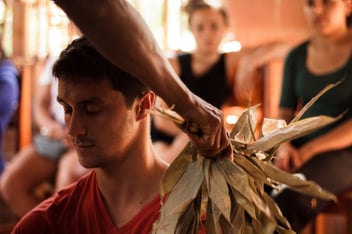
For visitors, this means you may hear Kichwa in markets, schools and homes, especially in the Andes and in Amazon provinces such as Napo, where Tena is located.
Heritage and craft
Ecuador's traditions extend to its crafts. UNESCO inscribed the traditional weaving of the Ecuadorian toquilla straw hat on its list of Intangible Cultural Heritage in 2012. The hat is often mislabeled abroad as a "Panama hat," but its weaving tradition comes from Ecuador.
Architecture also tells Ecuador's story, from colonial city centers to homes built for rain and heat in the Amazon. Safe Homes explores this in its post on the history of architecture in Ecuador.
Ecuadorian culture in the Amazon: Tena
Tena is the capital of Napo province, in Ecuador's Amazon region. It is a gateway to rivers, rainforest and many Kichwa communities. Life here is shaped by the climate: heavy rain, high humidity and the need for homes that stay dry, ventilated and durable.
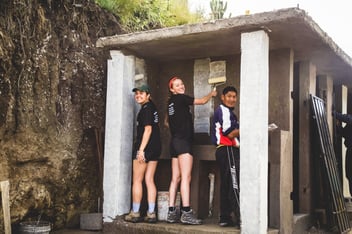
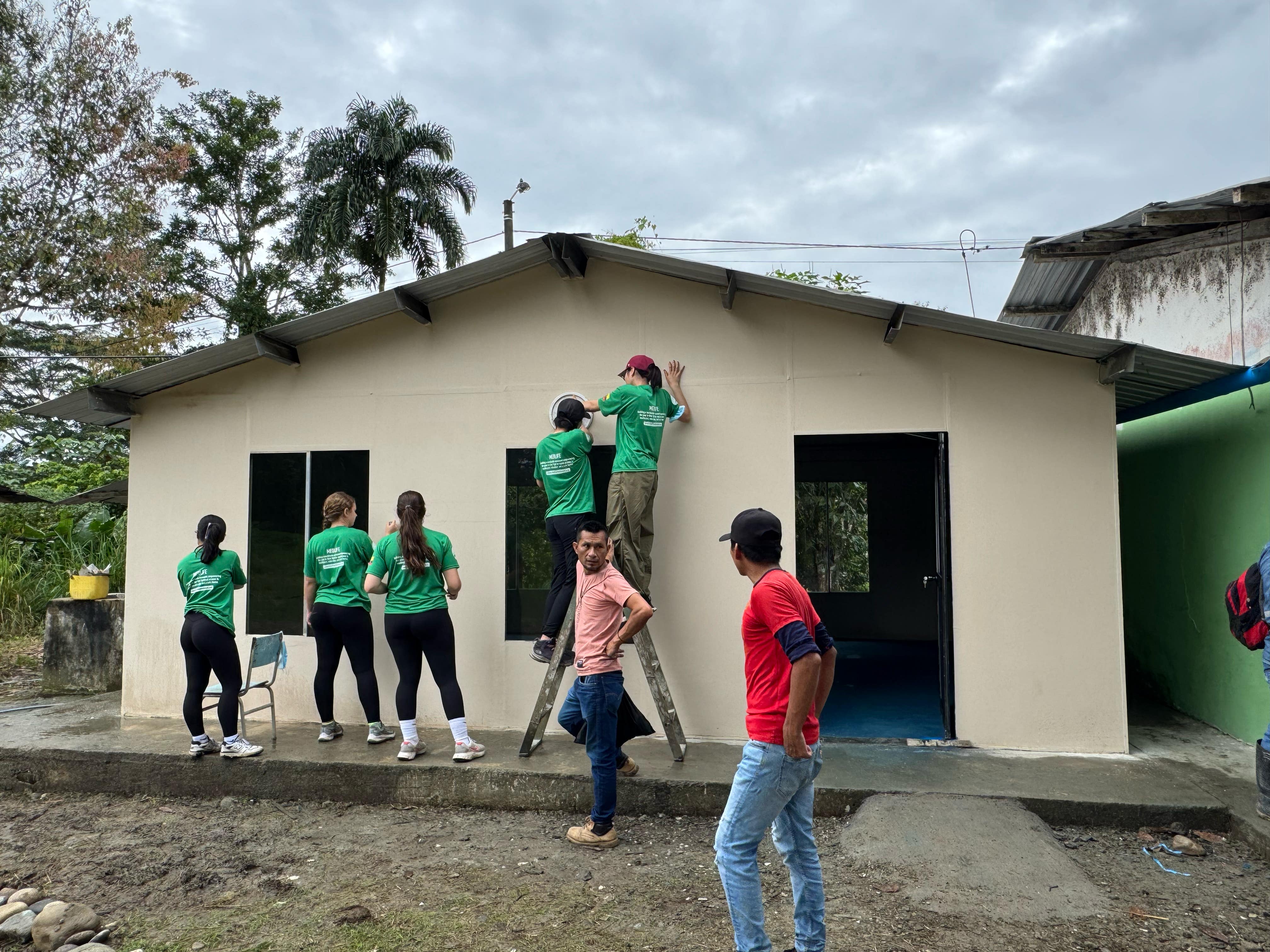
Community ties matter a great deal. As in other parts of the Andes and Amazon, communities often organize mingas, days of collective work on shared projects like paths, community spaces or cleanups. When volunteers join a project, they become part of work the community already leads.
That is why projects supported by Safe Homes, MEDLIFE's infrastructure program, follow a 50/50 model. In Tena, projects focus on home construction and community infrastructure. Local architects, engineers and community leaders guide every step, and families, local professionals and student volunteers build side by side. You can read more about volunteering in Ecuador.
Etiquette tips for student volunteers
Customs vary from family to family, so watch, ask and follow the lead of local staff. A few habits are widely appreciated:
- Greet everyone. A friendly "buenos días" or "buenas tardes" when you arrive shows respect.
- Use "usted" with elders. Start formal and let people invite you to be more casual.
- Ask before photographing people. This is especially important with children and in indigenous communities.
- Learn a few words. Spanish basics help, and a word or two of Kichwa is usually met with a smile.
- Be flexible. Rain, transport and community needs can shift plans.
- Listen first. Community members know their land and homes best.
Practicing cultural awareness while volunteering helps you notice your own assumptions and adapt.
Where you will experience it
On the development service learning trip with Safe Homes Movement, powered by MEDLIFE, students spend about a week in Tena (or in Lima or Cusco, Peru), with four to five days of supervised field work. Safety equipment is provided, and educators can join as chaperones.
Learn culture by working together
Ecuadorian culture is diverse, proud and deeply tied to community. The best way to understand it is to listen, work alongside people and stay curious.
Fill out the form to get dates, eligibility details and next steps for the Development Service Learning Trip.
Frequently asked questions
What languages are spoken in Ecuador?
Spanish is the official language. The constitution also names Kichwa and Shuar as official languages for intercultural relations, and recognizes other ancestral languages.
What is Ecuador's population made up of?
In the 2022 census, most people identified as mestizo, followed by indigenous, montubio, Afro-Ecuadorian and white populations.
What should volunteers know before visiting Tena?
Tena is in Ecuador's Amazon, home to many Kichwa communities. Expect rain and humidity, greet people respectfully and follow local leaders' guidance.