
Community Needs Assessment: How It Works
Before a single brick is laid, every good community project starts with a community needs assessment, or at least with its core question: what does this community actually need? It sounds obvious, but many well-meaning projects skip it. Visitors arrive with an idea, build it and leave, and sometimes the result doesn't match what residents would have chosen.
A community needs assessment is the process of answering that question carefully and systematically, with the community. In this article, you will learn what a needs assessment is, the main steps and methods, why residents should lead the process, and how it connects to the projects students can join in Peru and Ecuador.
What is a community needs assessment?
A community needs assessment is a structured way to understand the strengths, challenges and priorities of a community before planning a project or program. It answers questions like: What are people's biggest daily challenges? What resources already exist? What would residents change first?
Needs and assets
A good assessment looks at both needs and strengths. Communities have leaders, organizations, skills and local knowledge, and projects work better when they build on them. This asset-focused view complements needs-based approaches.
Who uses needs assessments
Local governments, nonprofits, schools, health organizations and development groups all use needs assessments. The University of Kansas's Community Tool Box, a free resource for people working on community change, includes a full section on assessing community needs and resources with residents' participation.
How a community needs assessment works
Every assessment is different, but most follow a similar path.
1. Define the purpose and scope
Clarify which community, which questions and which decisions the assessment will inform. A clear scope keeps the process focused and respects residents' time, since people are asked only what will actually shape a decision.
2. Involve residents from the start
Form a team that includes community members and local leaders, not just outside staff. Residents know which questions matter, how to reach people and which places are worth visiting together.
3. Gather existing information
Review available data, past reports and what local organizations already know, so you don't ask people to repeat themselves. Existing information also helps you spot gaps worth exploring in conversations.
4. Listen and collect new information
| Method | What it's good for |
|---|---|
| Community meetings | Hearing many voices and building shared priorities |
| Surveys | Collecting comparable answers from many households |
| Interviews | Understanding experiences in depth |
| Walking tours and observation | Seeing daily routes, risks and gaps firsthand |
| Asset mapping | Identifying local skills, groups and resources |
5. Prioritize together
Share what you found and decide with the community which needs come first. Priorities set together are more likely to lead to projects people use and maintain.
6. Report back and plan
Return results to the community in clear language, then turn priorities into a plan with roles, resources and timelines.
Why residents should lead the community needs assessment
An assessment done to a community can miss the point. One done with a community builds trust, uncovers real priorities and creates shared ownership of what comes next.
Avoiding assumptions
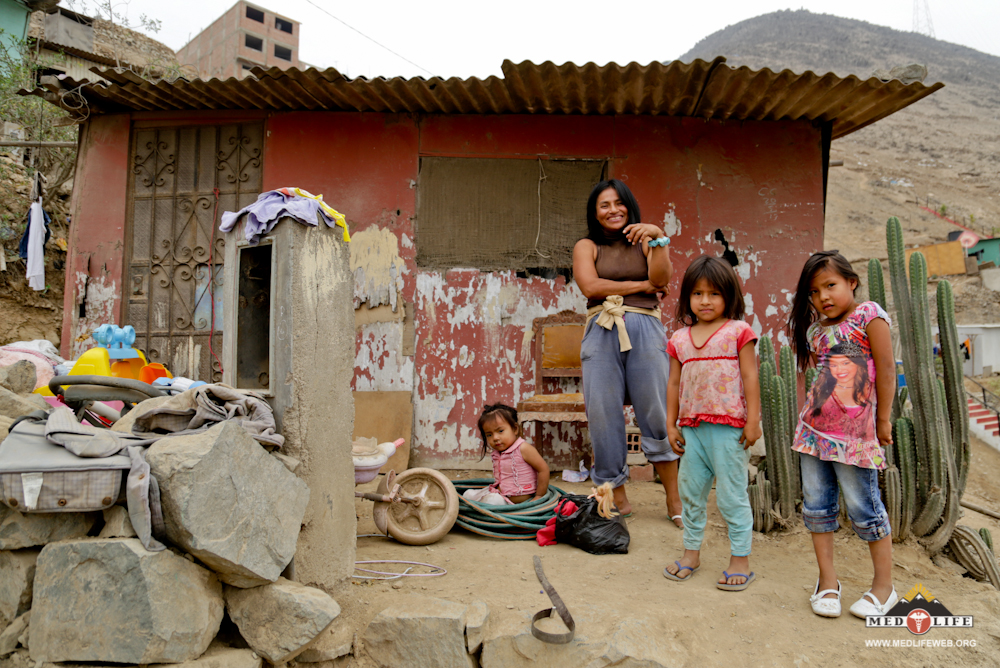
Outsiders may see a missing building where residents see an unsafe path to school. Listening first prevents projects that answer the wrong question. Our article on the role of community in building safe homes explores this in depth.
Connecting to the 50/50 model
Safe Homes Movement, MEDLIFE's program for community infrastructure, makes projects possible on a 50/50 model: residents identify the need and build alongside student volunteers, while local architects, engineers and community leaders guide the work. That's why projects vary from one community to another, from staircases and retaining walls in Lima to greenhouses in Cusco and home construction in Tena. Learn more about community development projects and how students get involved, and why safe housing projects are key to development.
What students learn
On the development service learning trip, students begin with an orientation and a Reality Tour of the communities, so they understand why each project was chosen before they start building. Trips run in summer, winter and spring.
Start with listening
A community needs assessment turns good intentions into projects that fit real lives. It starts with listening and ends with shared decisions.
Fill out the form to get dates, eligibility details and next steps for the Development Service Learning Trip.
Frequently asked questions
What is a community needs assessment?
It's a structured process for understanding a community's challenges, strengths and priorities before planning a project or program, ideally led together with residents.
What methods are used in a community needs assessment?
Common methods include community meetings, surveys, interviews, walking tours, observation and asset mapping, combined with existing data.
Why should residents lead a needs assessment?
Residents know their own priorities best. Their leadership prevents wrong assumptions, builds trust and creates shared ownership of the projects that follow.