

Civil Engineering Skills Every Student Should Build
Picture a team building a concrete staircase on a steep hillside. The plan says one thing, but the ground says another: the rock is looser than expected, materials have to be carried up by hand and residents need to keep using the path while work goes on. Solving that takes more than formulas. It takes the full range of civil engineering skills, technical and human.
Grades in calculus and physics matter, but they're only part of what makes a strong civil engineer. In this article, you will learn the technical and professional civil engineering skills that matter most, why field judgment is so valuable, and practical ways high school and college students can start building these skills now.
Technical civil engineering skills
Math and physics
Calculus, statics and mechanics are the foundation of nearly everything civil engineers do, from checking loads on a beam to understanding how water flows through a drainage system.
Understanding materials
Concrete, steel, wood, brick and soil all behave differently. Knowing how materials perform, and how they fail, helps engineers make safe design choices.
Design and modeling software
Civil engineers use design, drafting and modeling tools. The exact software varies by employer and specialty, so learning the concepts behind the tools matters as much as any single program.
Reading drawings and plans
Being able to read and interpret construction drawings is essential, both in the office and on site.
Professional licensure basics
Many civil engineers pursue a Professional Engineer license. According to IEEE Young Professionals, the typical path includes an engineering degree, the FE exam, progressive supervised experience (typically four years) and the PE exam.
Professional skills that set civil engineers apart
| Skill | Why it matters | How to practice it |
|---|---|---|
| Communication | Explaining technical decisions to non-engineers | Presentations, group projects |
| Teamwork | Projects involve architects, builders and clients | Clubs, competitions, field projects |
| Project management | Schedules, budgets and people all matter | Leading a team project |
| Problem-solving on site | Real conditions rarely match the plan | Hands-on construction experience |
| Cultural awareness | Infrastructure serves diverse communities | Work and travel in new contexts |
Communication
Civil engineers explain designs to clients, crews, government officials and community members. Clear writing and speaking can be as important as accurate calculations.
Project management
Even early in their careers, engineers help track schedules, materials and costs. Our article on construction project management shows how students can practice these skills through volunteering.
Language and cultural skills
Infrastructure projects often involve people from different backgrounds. For projects in Latin America, Spanish is a major asset. This guide to construction Spanish is a useful starting point.
Judgment on site
Some of the most valuable civil engineering skills are learned only in the field: reading terrain, noticing safety risks and adapting a plan when conditions change. On a hillside in Lima, for example, the location of a single step can depend on how the rock and soil behave once digging begins, which is why local engineers make those calls on site.
How students can build civil engineering skills early
In high school
- Take advanced math, physics and, if available, drafting or computer-aided design
- Join robotics, bridge-building or STEM clubs
- Shadow a local engineer or visit construction sites with a mentor
In college
- Join student chapters of professional engineering organizations
- Compete in design competitions
- Look for internships, research and supervised field experience
Through hands-on field projects
Before you join a build, it helps to know what to expect. Our guide on volunteer construction work covers the basics.
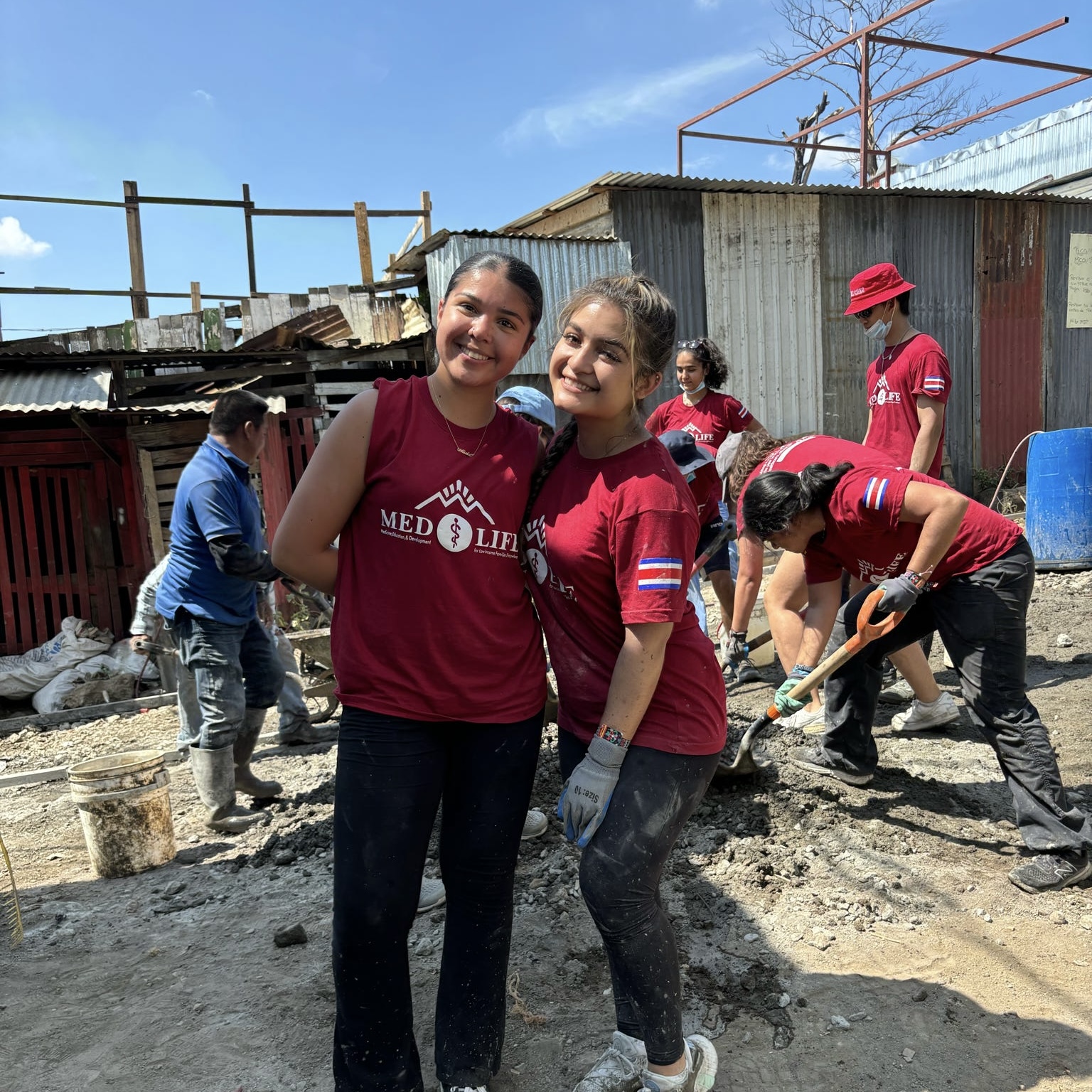
The development service learning trip with Safe Homes Movement, powered by MEDLIFE, gives high school and college students a chance to practice these skills on real projects. In Lima, Cusco and Tena, students work alongside residents and local architects and engineers on staircases, retaining walls, greenhouses and home construction. Local professionals lead design and supervise construction, while students help with tasks like mixing cement and laying bricks. Trips run in summer, winter and spring.
Build your skills where they're used
The best civil engineering skills combine technical knowledge with communication, teamwork and judgment. Field experience is one of the fastest ways to bring them together.
Fill out the form to get dates, eligibility details and next steps for the Development Service Learning Trip.
Frequently asked questions
What skills do you need to be a civil engineer?
Civil engineers need strong math and physics, an understanding of materials, design and drawing skills, and professional skills like communication, teamwork, project management and problem-solving on site.
What soft skills are important for civil engineers?
Communication, teamwork, leadership, time management and cultural awareness are all important. Civil engineers work with many people, from clients and crews to communities.
How can high school students build civil engineering skills?
They can take advanced math and physics, join STEM or robotics clubs, shadow engineers and volunteer on construction projects supervised by licensed professionals.