

Biodigester: How It Turns Waste Into Energy
On a small farm, animal manure can be a problem: it smells, attracts flies and can pollute nearby water. Put it inside a sealed tank, though, and bacteria can turn it into two useful products, a fuel gas for cooking and a fertilizer for crops. That sealed tank is a biodigester, and it's one of the clearest examples of how engineering can turn waste into a resource.
Biodigesters range from large industrial plants to simple plastic tubes on family farms. In this article, you will learn how a biodigester works, the main types used around the world, their benefits and limits, and why these systems are a useful case study for engineering and environmental students.
How does a biodigester work?
A biodigester relies on anaerobic digestion. The U.S. Environmental Protection Agency explains that in this process, microorganisms break down organic materials without oxygen, either naturally or in engineered systems called digesters.
What goes in
Common feedstocks include animal manure, wastewater biosolids, food waste and other organic materials, according to EPA. On small farms, manure is usually the main input.
What comes out
The process produces two outputs:
- Biogas: EPA's AgSTAR program describes biogas as mostly methane, at 50 to 75 percent, along with carbon dioxide and small amounts of other gases. With proper treatment and equipment, it can be used for heat, electricity or cooking.
- Digestate: the material left after digestion, which EPA notes can be used as a nutrient-rich fertilizer, compost or soil amendment when it is handled appropriately.
| Input | Process | Outputs |
|---|---|---|
| Manure, food waste, other organics | Bacteria digest the material without oxygen | Biogas (fuel) and digestate (fertilizer) |
Types of biodigesters
An older technical paper hosted by the Food and Agriculture Organization of the United Nations, written by An, Rodríguez, Sarwatt, Preston and Dolberg, describes three common designs used on small farms in its study of low-cost tubular biodigesters. Technology has evolved since, but the basic designs remain a useful reference:
Fixed dome
Built from brick, stone or concrete. The paper notes these require high-quality materials and skilled labor, and that millions have been built in China.
Floating drum
A digester with a gas cover that rises and falls as gas collects. The paper links low adoption of fixed and floating designs to high costs, difficult installation and trouble finding spare parts.
Flexible tubular (plastic bag)
A sealed polyethylene tube installed in a trench. The paper describes it as cheap and simple, and says it appeals to small farmers because of its low installation cost and environmental advantages. Farmers in the study used the gas mainly for cooking and the effluent as fertilizer.
Benefits and limits of a biodigester
Benefits
- Cleaner cooking fuel that can reduce reliance on firewood or charcoal
- Fertilizer for crops from digested material
- Less pollution from untreated manure
The FAO-hosted paper also reports less physical work for families and reduced pressure on fuelwood among the benefits farmers noted.
Limits
Biodigesters need steady inputs, care and training. The same paper reports problems from poor management, weak supervision and insufficient training. Biogas is also flammable, so safe installation and operation matter.
Why this matters for communities
Cooking fuel and indoor air are closely linked to health. Our article on fuel-efficient stoves and air quality explores why cleaner cooking matters. Biodigesters are one of several technologies, alongside improved stoves and solar solutions, that communities and engineers consider.
What students can learn from biodigesters
For students in environmental, civil, agricultural or chemical engineering, biodigesters connect biology, chemistry and design. They also raise practical questions: Who maintains the system? What happens if inputs change? Is it right for this community?
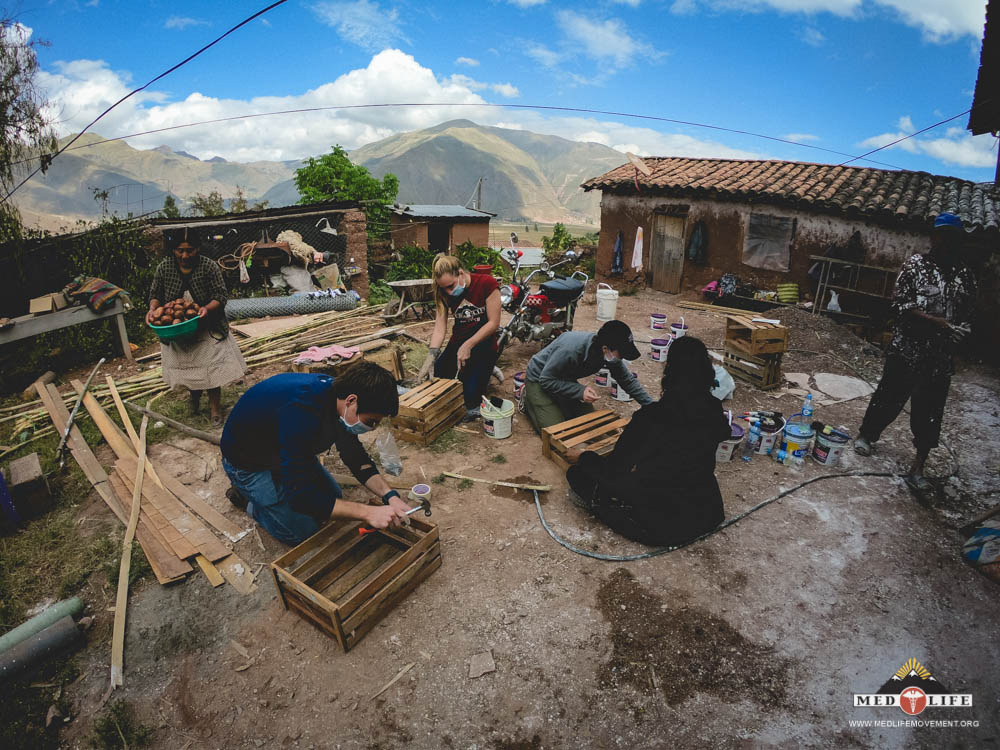
Those are the same questions behind Safe Homes Movement's work. Safe Homes is the MEDLIFE program that makes community projects possible in Lima, Cusco and Tena, from staircases and retaining walls to greenhouses in Cusco and home construction. The projects are built by the communities together with local professionals and student volunteers, under a 50/50 model: residents identify the need, and local professionals and community leaders guide volunteers. Learn why environmental projects in communities matter, and how sustainability in safe housing shapes design.
On the development service learning trip, students spend about a week in Peru or Ecuador, including four to five days of supervised field work, in summer, winter or spring.
Learn how sustainable systems work in the field
A biodigester shows how waste can become energy and fertilizer. Seeing how communities choose and maintain sustainable solutions brings that lesson to life.
Fill out the form to get dates, eligibility details and next steps for the Development Service Learning Trip.
Frequently asked questions
What is a biodigester?
A biodigester is a sealed system where bacteria break down organic waste without oxygen, producing biogas for fuel and digestate that can be used as fertilizer.
What can you put in a biodigester?
Common inputs include animal manure, food waste and other organic materials. On small farms, manure is usually the main feedstock.
Is biogas safe to use?
Biogas can be used for cooking and heating, but it is flammable. Safe installation, maintenance and training are essential.